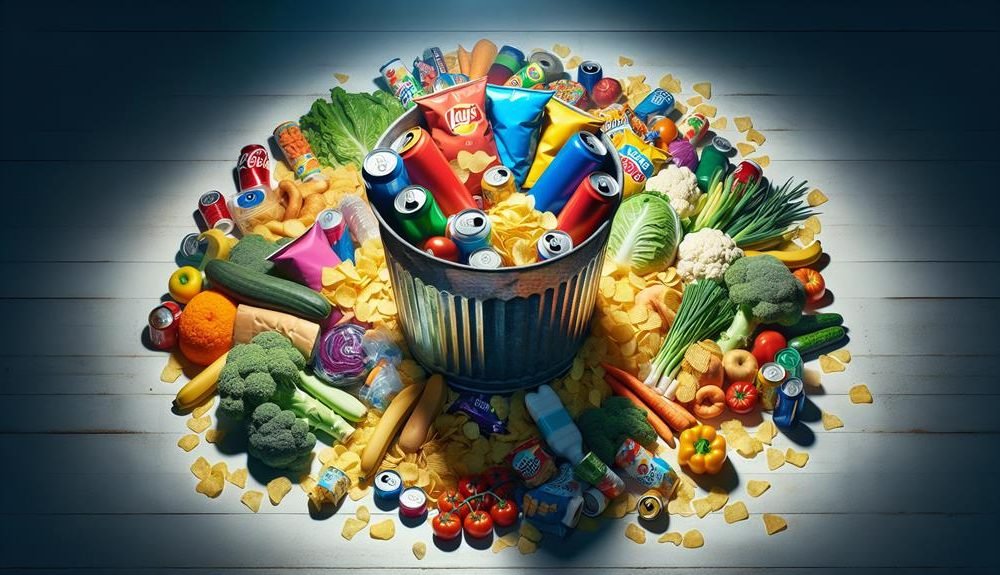
Avoid processed foods on keto to steer clear of hidden sugars, sneaky carbs, harmful additives, artificial ingredients, and unhealthy fats. These can thwart weight loss progress and ketosis efforts. Hidden sugars lead to blood sugar spikes and cravings, derailing your goals. Sneaky carbs hinder ketosis, while additives disrupt metabolic balance. Unhealthy fats like trans fats and processed oils can harm your heart health. Being mindful of these pitfalls enhances your chances for success on the keto diet. Understanding these risks is key to making informed dietary choices.
Key Takeaways
- Processed foods contain hidden sugars and carbs that can disrupt ketosis.
- Harmful additives in processed foods can cause inflammation and gut health issues.
- Unhealthy fats like trans fats and processed vegetable oils are detrimental to heart health on keto.
- Artificial ingredients in processed foods hinder metabolic processes and fat burning.
- Avoiding processed foods on keto helps maintain ketosis, weight loss, and overall well-being.
Hidden Sugars in Processed Foods
Hidden sugars lurk within processed foods, sabotaging your efforts to stay in ketosis on a keto diet. These sugars are often added to enhance flavor, extend shelf life, and create a more palatable product. However, they also greatly increase your carb intake, posing a threat to your ketosis goals. When hidden sugars are consumed, they can lead to sudden blood sugar spikes, triggering cravings and making it challenging to resist indulging in more sugary treats. This rollercoaster effect not only hinders your weight loss progress but can also contribute to metabolic issues and other health concerns.
Being mindful of hidden sugars in processed foods is essential for maintaining a successful keto diet. To navigate this, start by diligently reading nutrition labels. Look out for terms like sucrose, high fructose corn syrup, dextrose, and maltose, as these are all indicators of hidden sugars. Opting for whole, unprocessed foods is another effective strategy to avoid these sneaky additives. By choosing foods in their natural state, you can greatly reduce your intake of hidden sugars and better regulate your carb consumption.
Sneaky Carbohydrates to Watch For
When following a keto diet, it is important to be vigilant about identifying sneaky carbohydrates present in processed foods to maintain your desired low-carb intake. Processed foods often harbor hidden carbs such as added sugars, fillers, and preservatives that can markedly elevate your carb intake. Ingredients like maltodextrin, dextrose, and corn syrup are commonly disguised in processed foods, making it challenging to accurately gauge your carb consumption. These sneaky carbohydrates can lead to unwanted blood sugar spikes, hindering your efforts to achieve and sustain ketosis.
To make sure you stay on track with your low-carb goals, it's critical to carefully read labels when purchasing processed foods. By being mindful of ingredients like maltodextrin, dextrose, and corn syrup, you can avoid unnecessary carbs that may impede your progress on the keto diet. Opting for whole, unprocessed foods over their processed counterparts can also help you steer clear of these hidden carbs.
Maintaining a keen eye for sneaky carbohydrates in processed foods is essential for regulating your carb intake and staying in ketosis. By being aware of the potential sources of hidden carbs like added sugars and fillers, you empower yourself to make informed choices that support your keto journey.
Harmful Additives in Processed Foods
Processed foods are often laden with harmful additives such as artificial colors, flavors, and preservatives, which can have detrimental effects on your health. These additives not only compromise the nutritional value of the food but can also contribute to various health issues. Artificial colors and flavors are often linked to inflammation in the body, which can exacerbate conditions like arthritis and other inflammatory diseases. Additionally, preservatives used in processed foods can disrupt gut health, leading to digestive issues such as bloating, gas, and discomfort.
Consuming processed foods with these additives regularly may result in long-term health problems. High levels of unhealthy fats, sugar, and sodium in processed foods can contribute to weight gain, high blood pressure, and an increased risk of chronic diseases like heart disease and type 2 diabetes. The chemical additives present in these foods can also have a negative impact on your overall well-being by affecting your body's natural processes.
Impact of Artificial Ingredients on Ketosis
Artificial ingredients found in food products can greatly impact your ability to maintain ketosis by disrupting your body's metabolic processes. Processed foods often contain hidden sugars and carbs, which can lead to spikes in blood sugar levels, hindering your ketosis efforts. The preservatives and additives present in these foods can throw your metabolic state off balance, making it challenging to stay in ketosis.
Consuming artificial ingredients may result in inflammation and other negative health effects, which can impede your body's ability to efficiently burn fat for energy. Even artificial sweeteners, despite being important in calories, could still trigger an insulin response, potentially derailing your ketosis and weight loss goals. Additionally, processed foods with artificial ingredients lack essential nutrients essential for overall health and can contribute to cravings, making it harder for you to adhere to a clean keto diet.
To maintain a successful ketogenic diet, it is important to prioritize whole, unprocessed foods to avoid the pitfalls associated with artificial ingredients. By choosing nutrient-dense options and steering clear of processed foods laden with artificial additives, you can better support your body's metabolic processes and optimize your journey towards ketosis.
Unhealthy Fats to Avoid on Keto
To maintain peak health on a ketogenic diet, it is important to be mindful of the types of fats you consume, particularly avoiding unhealthy fats that can impede your progress. Trans fats, often found in processed foods, have been linked to heart disease and inflammation, making them a top priority to steer clear of on keto. Processed vegetable oils like soybean and corn oil are high in omega-6 fats, which in excess can contribute to inflammation and various health issues. Hydrogenated oils, another culprit present in many processed foods, not only contain trans fats but are harmful to heart health, emphasizing the need to exclude them from your keto menu. Margarine and shortening, common sources of unhealthy fats such as trans fats and saturated fats, have the potential to elevate bad cholesterol levels, which is counterproductive to the goals of a ketogenic diet. By being vigilant about avoiding these unhealthy fats, you not only support your heart health but also reduce the risk of inflammation, thereby aligning with the principles of a keto lifestyle focused on well-being and metabolic health.
Frequently Asked Questions
Why Is Processed Foods Bad for Keto?
Processed foods are harmful to your keto journey due to hidden sugars, inflammatory oils, and artificial additives. They often contain high carb content, low nutrient value, and unhealthy fats, undermining ketosis. Processed meats are filled with preservatives galore, providing empty calories. Opting for whole, nutrient-dense foods is essential for maximizing the benefits of a keto diet and maintaining a healthy metabolic state.
What Are the Worse Foods on Keto Diet?
When on a keto diet, the worst foods to avoid include those with sugar substitutes, artificial sweeteners, seed oils, MSG, preservatives, food colorings, high fructose corn syrup, hydrogenated oils, and artificial flavors. These ingredients can hinder ketosis, spike blood sugar levels, and lead to nutrient deficiencies. Opt for whole, unprocessed foods to optimize health benefits, maintain ketosis, and achieve long-term weight management success.
What Is Forbidden in the Keto Diet?
On the keto diet, you must avoid sugar substitutes, grains, legumes, high carb fruits, artificial sweeteners, starchy vegetables, packaged snacks, processed meats, sugary beverages, fried foods, and dairy alternatives. These items can disrupt your ketosis and weight loss journey. Keeping these forbidden foods off your plate allows you to stay on track and reap the benefits of a successful keto lifestyle. Stay focused on your goals for best results.
Are Deli Meats OK for a Keto Diet?
Deli meats can be a good option for a keto diet if you choose wisely. Look for varieties high in protein and healthy fats like turkey, chicken, roast beef, or ham. Pay attention to carb count, sodium content, hidden sugars, and preservatives. Opt for organic or nitrate-free options. Deli meats can be a convenient protein source for meal prep, but remember to practice portion control to stay on track with your keto goals.
Conclusion
To sum up, it's best to avoid processed foods on the keto diet due to their hidden sugars, sneaky carbs, harmful additives, and unhealthy fats. These ingredients can hinder your progress in reaching ketosis and achieving your health goals. By opting for whole, unprocessed foods instead, you can stay on track and optimize your results. Remember, choosing clean, natural options is key to success on your keto journey.