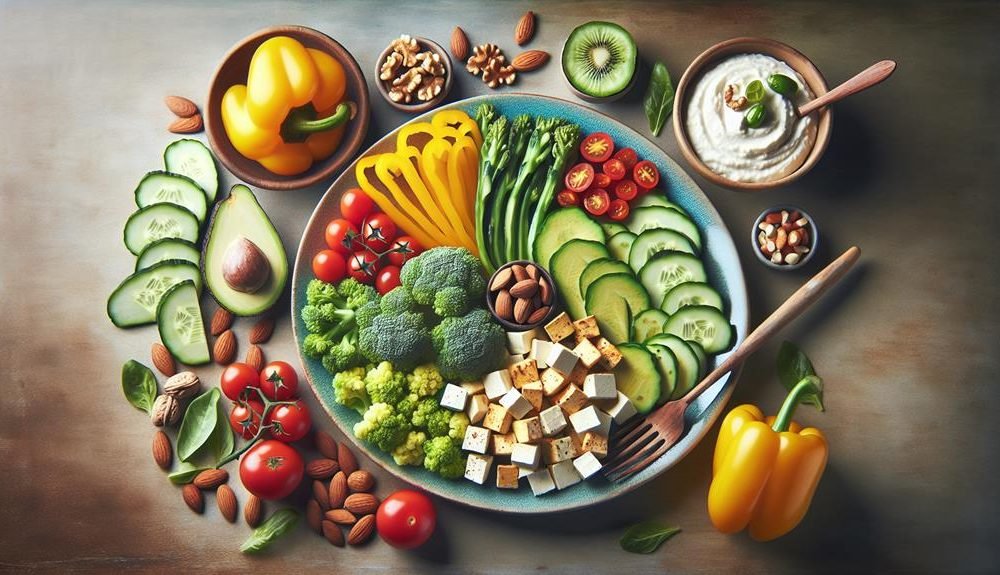
Selecting a vegetarian keto meal plan can assist in weight management, enhance blood sugar control, and reduce chronic disease risks. With the potential for significant weight loss and improved body composition, it can be a healthful option. By emphasizing nutrient-rich plant-based foods and low-carb proteins, you can achieve ketosis. Make sure you monitor essential nutrients and consider supplementation as necessary. Implement meal planning, incorporate a variety of foods, and save time with meal prep. This dietary approach offers a unique blend of benefits that support both health and environmental sustainability.
Key Takeaways
- Supports weight management and enhances metabolic health.
- Improves insulin sensitivity and blood sugar control.
- Promotes significant weight loss and fat burning.
- Increases gut microbiome diversity and aids digestion.
- Reduces risk of chronic diseases and supports environmental sustainability.
Benefits of Vegetarian Keto Diet
Enhance your understanding of the benefits of the Vegetarian Keto Diet by exploring its significant impact on weight loss and overall health. The vegetarian keto diet offers a unique approach that can aid in weight management by combining the benefits of fiber-rich plant-based foods with the principles of a keto diet. This fusion not only supports weight loss but also enhances blood sugar control and improves insulin sensitivity. By regulating blood sugar levels, the vegetarian keto diet may reduce the risk of chronic diseases such as obesity and diabetes.
Furthermore, adopting a vegetarian keto meal plan can lead to increased gut microbiome diversity. The consumption of a variety of plant-based foods rich in fiber and nutrients promotes a healthy gut environment, which is linked to overall well-being and a strengthened immune system. Additionally, reducing excess body weight through the vegetarian keto diet has the potential to lower the risk of certain types of cancer. Maintaining a healthy weight is vital in preventing various forms of cancer, and the vegetarian keto approach offers a strategy to achieve this while also reaping the benefits of plant-based nutrition. Embracing the vegetarian keto diet not only supports weight loss but also contributes to overall health and well-being, offering a holistic approach to nutrition and disease prevention.
Weight Loss on Vegetarian Keto
Exploring the impact of weight loss on a Vegetarian Keto diet reveals compelling evidence showcasing its effectiveness in promoting enhanced fat burning and calorie reduction. When following a vegetarian keto meal plan, you can experience significant weight loss benefits. Studies indicate that the combination of a vegetarian diet with keto principles leads to lower calorie intake and increased fat burning, resulting in faster weight loss compared to traditional high-carb vegetarian diets. The high-fat, moderate-protein nature of vegetarian keto promotes satiety, helping you feel full and satisfied, which in turn reduces cravings and aids weight loss efforts.
Moreover, by lowering insulin levels and promoting ketosis, vegetarian keto meal plans can help break through weight loss plateaus that you may have encountered with other diets. This metabolic state encourages your body to burn fat for energy, leading to more efficient weight loss. Additionally, adhering to a vegetarian keto meal plan has been linked to improved body composition. This includes decreased fat mass and increased lean muscle mass, which can contribute to a healthier overall weight and improved metabolic health. Embracing a vegetarian keto approach can be a powerful tool in achieving your weight loss goals while simultaneously supporting your overall well-being.
Health Benefits of Vegetarian Keto
Vegetarian keto meal plans offer a myriad of health benefits, including support for weight management and blood sugar control, as well as potential reductions in chronic disease risks such as diabetes and obesity. Research has shown that the combination of a plant-based diet with keto principles can lead to significant weight loss, with individuals shedding an average of 31 lbs in just 6 months. Additionally, vegetarian keto meal plans support better blood sugar control, which is essential for overall health and reducing the risk of chronic diseases like diabetes and obesity.
Studies have also highlighted the advantages of vegetarian diets in promoting weight loss. In fact, research indicates that individuals following a vegetarian diet may experience 4.5 lbs more weight loss in a shorter period compared to those on non-vegetarian diets. This underscores the potential benefits of adopting a plant-based approach, especially when combined with the principles of a keto diet.
Furthermore, following a vegetarian keto meal plan can lead to improvements in health markers and potentially reduce the risk of cancer by promoting a lower body weight and a healthier metabolic profile. Additionally, these meal plans can enhance gut microbiome diversity through the consumption of plant-based foods, contributing to overall health and well-being. By embracing a vegetarian keto meal plan, you can take proactive steps towards improving your health and reducing the risk of chronic diseases.
Nutritional Considerations on Vegetarian Keto
Paying close attention to essential nutrients such as B12, iron, and calcium is vital when following a vegetarian keto meal plan. Since the Vegetarian Keto Diet can be restrictive, guaranteeing sufficient intake of these nutrients is essential for overall health. Protein intake is another key consideration on this diet. Monitoring protein intake is critical for muscle maintenance and overall well-being. To address potential nutrient deficiencies, focusing on nutrient-dense plant-based foods is recommended. These foods can help bridge the gap in essential vitamins and minerals that may be lacking in a vegetarian keto diet.
Due to the limitations of a vegetarian keto diet, supplementation with vitamins like B12 and iron may be necessary to meet daily requirements. B12 supplementation, in particular, is crucial for vegetarians as this vitamin is mainly found in animal products. Consulting with a dietitian or healthcare provider can provide personalized guidance on tailoring a vegetarian keto meal plan to meet individual nutritional needs and goals. Their expertise can help ensure that the diet is balanced and sustainable while avoiding any potential deficiencies. Remember, prioritizing nutrient-dense foods and seeking professional advice can optimize your vegetarian keto journey.
Achieving Ketosis as a Vegetarian
To successfully achieve ketosis as a vegetarian, focus on limiting your daily carb intake to 20-50g to trigger fat burning for energy. As a vegetarian, opting for non-starchy plant-based foods like leafy greens, avocados, and nuts can help you maintain ketosis. It's crucial to monitor your net carb intake from these plant-based sources to make sure you stay within your carb limit. Incorporating low-carb proteins such as tofu, tempeh, and seitan into your meals can provide the necessary protein while supporting ketosis on a vegetarian diet.
Consistency is key when it comes to achieving ketosis as a vegetarian. Make sure to track your carb intake diligently and choose your foods wisely to stay within the recommended range. By following a consistent low-carb approach and making mindful food choices, you can effectively enter and maintain ketosis without relying on meat or fish in your diet.
Vegetarian Sources of Healthy Fats
Opt for nutrient-dense sources of healthy fats such as avocado, coconut oil, olive oil, nuts, seeds, and full-fat dairy in your vegetarian keto meal plan to support your dietary needs effectively. Avocado stands out as a rich source of monounsaturated fats and fiber, aiding in satiety while providing essential nutrients. Coconut oil, a vegetarian keto staple, contains medium-chain triglycerides (MCTs) that are readily converted into ketones, offering a quick energy source for your body. Olive oil, known for its heart-healthy benefits, is abundant in antioxidants and monounsaturated fats, promoting overall well-being.
Nuts and seeds like walnuts and chia seeds are excellent choices for incorporating omega-3 fatty acids and crucial nutrients into your vegetarian keto diet. These sources not only add healthy fats but also contribute to a well-rounded meal plan. Additionally, full-fat dairy products such as cheese and butter can play a significant role in meeting the fat intake necessary for ketosis in a vegetarian keto diet. Including these options guarantees a diverse range of healthy fats, supporting your body's needs while following a vegetarian keto meal plan effectively.
Low-Carb Protein Options for Vegetarians
Consider integrating a variety of low-carb protein options into your vegetarian keto meal plan to effectively fulfill your daily protein needs. Tofu stands out as a versatile and low-carb protein source suitable for vegetarians following a keto diet. Rich in protein and low in carbs, tofu can be used in various dishes, making it a staple in vegetarian keto meal plans. Seitan, another excellent choice, is made from wheat gluten and offers a substantial protein content with minimal carbohydrates, making it a valuable addition to your diet.
Tempeh, a fermented soybean product, is another low-carb protein alternative that can diversify your vegetarian keto meals. Its nutty flavor and firm texture make it a delightful ingredient in various recipes while providing the protein your body requires. In addition to these specific options, incorporating eggs, nuts, and seeds can further enhance the nutrient profile of your vegetarian keto meal plan. Eggs are a complete protein source, while nuts and seeds offer healthy fats and protein, making them essential components of a well-rounded vegetarian keto diet. By including these diverse low-carb protein sources in your vegetarian keto meal plan, you can make sure you meet your protein needs while enjoying a variety of delicious and nutritious foods.
Incorporating Fiber in Vegetarian Keto
Incorporating fiber into your vegetarian keto meal plan is essential for supporting digestion and promoting gut health. On a vegetarian keto diet, fiber-rich foods play an important role in managing blood sugar levels. Non-starchy vegetables, nuts, and seeds are excellent sources of fiber that can help you maintain stable energy levels throughout the day. These high-fiber foods not only aid in digestion but also contribute to a feeling of fullness and satiety, which may support weight loss goals on your vegetarian keto journey.
Opting for vegetarian sources of fiber such as avocados, chia seeds, and flaxseeds can provide the necessary fiber intake while keeping carb counts low. Balancing fiber consumption with the low-carb requirements of a keto diet is key to achieving and maintaining ketosis. Additionally, including high-fiber foods in your vegetarian keto meal plan can enhance nutrient absorption, ensuring you receive the essential vitamins and minerals necessary for overall well-being.
Essential Micronutrients for Vegetarians
Ensuring a well-rounded vegetarian diet includes adequate intake of essential micronutrients important for overall health and vitality. Vegetarians should pay special attention to B12 deficiency, as this key nutrient is primarily found in animal products. To prevent deficiency, consider fortified foods or B12 supplements.
Iron intake is another essential aspect to monitor in a vegetarian diet. Plant-based iron sources are less readily absorbed by the body compared to heme iron from meat. Including vitamin C-rich foods alongside plant-based iron sources can enhance absorption.
For calcium sources, dairy alternatives, fortified foods, and leafy greens are crucial for bone health in vegetarian diets. Incorporating these into meals can help meet daily calcium requirements.
Zinc, important for immune function and wound healing, can be found in seeds, nuts, and legumes. Including a variety of these foods in your vegetarian keto meal plan can help you meet your zinc needs.
Additionally, ensuring adequate vitamin D intake is essential for vegetarians as it is mainly obtained from sunlight exposure and fortified foods. Consider fortified plant-based milk or spending time outdoors to maintain optimum vitamin D levels. By focusing on these essential micronutrients and incorporating a variety of plant-based sources and fortified foods, you can support your overall health while following a vegetarian keto meal plan.
Electrolyte Balance on Vegetarian Keto
To sustain good health on a vegetarian keto diet, it is important to pay attention to electrolyte balance, particularly due to the impact of reduced carb intake on mineral levels. Inadequate electrolytes can lead to symptoms like fatigue, muscle cramps, and headaches, affecting your overall well-being. Common electrolytes to monitor include sodium, potassium, magnesium, and calcium, as they play essential roles in energy levels and muscle function.
On a vegetarian keto meal plan, it's vital to be mindful of your electrolyte intake. Since you are consuming fewer carbs, which can naturally hold onto water and electrolytes in the body, you may need to actively replenish these minerals. Including electrolyte-rich foods like leafy greens, nuts, seeds, and avocados can help prevent imbalances and guarantee you are meeting your body's needs.
Monitoring your electrolyte balance is essential for avoiding unwanted symptoms and supporting your health goals on a vegetarian keto diet. Ensuring an adequate intake of these minerals can help you feel more energized, prevent muscle cramps, and reduce the likelihood of headaches. Stay proactive in maintaining your electrolyte levels to optimize your well-being while following a vegetarian keto meal plan.
Supplements for Vegetarian Keto Dieters
Consider supplementing your vegetarian keto diet with essential nutrients like vitamin B12, omega-3 fatty acids, iron, and vitamin D to support your overall health and well-being. Vegetarian keto dieters may find it challenging to obtain adequate levels of these nutrients solely through food sources due to the restrictions of their diet.
Vitamin B12 is primarily found in animal products, so supplementing with this vitamin is essential for vegetarians to prevent deficiency. Lack of vitamin B12 can lead to fatigue, weakness, and nerve problems. Omega-3 fatty acid supplements are crucial for brain health and reducing inflammation. Since sources like fish oil may not be suitable for vegetarians, algae-based supplements can be a good alternative.
Iron supplementation may be necessary for vegetarian keto dieters as plant-based iron sources are not as well absorbed by the body. Iron is vital for oxygen transport in the blood and overall energy levels. Additionally, vitamin D supplementation is important as it is mainly obtained through sunlight exposure and fortified foods, which may be limited in a vegetarian keto diet.
Consulting with a healthcare provider or dietitian is recommended to determine individual supplement needs based on health factors and dietary restrictions. They can provide guidance on choosing the right supplements and ensuring they complement your vegetarian keto lifestyle effectively. Prioritizing these essential nutrients through supplementation can help you maintain optimal health and well-being on a vegetarian keto diet.
Meal Planning Tips for Vegetarian Keto
For effective meal planning on a vegetarian keto diet, prioritize incorporating a variety of plant-based options like nuts, seeds, tofu, and non-starchy vegetables into your meals. These foods are high in healthy fats, low in carbs, and provide essential nutrients for a well-rounded diet. When planning your meals, focus on including a balance of these plant-based options to guarantee you meet your nutritional needs while staying in ketosis.
Tracking macros is crucial when following a vegetarian keto meal plan. By monitoring your intake of fats, proteins, and carbs, you can adjust portion sizes to maintain the desired macronutrient ratio for ketosis. This practice not only supports weight loss goals but also helps you stay on track with your dietary requirements.
Meal prep is a key strategy for success on a vegetarian keto diet. By preparing meals in advance, you can save time during the week and avoid reaching for convenient, but less healthy, options. Additionally, planning and prepping your meals can promote consistency and adherence to the diet, ultimately leading to long-term success in reaching your health and wellness goals. Consider exploring meal prep services or seeking recipe inspiration to keep your vegetarian keto meal plan exciting and sustainable.
Vegetarian Keto Recipe Ideas
Discover a variety of delightful vegetarian keto recipe ideas that combine plant-based foods with healthy fats and proteins to create flavorful and nutrient-rich meals. Embracing a Vegetarian Ketogenic Diet opens up a world of culinary possibilities that cater to your health and taste preferences. Incorporating foods like avocado and spinach into omelets provides a satisfying dose of healthy fats and protein, perfect for starting your day on a nutritious note. For a light and invigorating option, zucchini noodles paired with pesto offer a low-carb alternative to traditional pasta dishes while still delivering on flavor. Greek salads loaded with fresh vegetables, olives, and feta cheese can be enhanced with a drizzle of olive oil, making it a well-rounded meal that fits seamlessly into your keto lifestyle.
Sustaining a Vegetarian Keto Lifestyle
To sustain a Vegetarian Keto Lifestyle successfully, focus on incorporating nutrient-rich plant-based foods while adhering to low-carb, high-fat principles for best health outcomes. By following a vegetarian keto meal plan, you can promote weight loss and fat burning through the metabolic state of ketosis. This approach allows for a diverse range of plant-based foods that are rich in essential nutrients while being low in carbs, supporting your overall health and well-being.
The combination of vegetarianism with keto principles not only aids in weight management but also enhances blood sugar control and promotes metabolic health. By choosing plant-based foods over animal products, you not only benefit your health but also contribute to environmental sustainability through reduced reliance on animal agriculture.
Transitioning to a vegetarian keto diet provides a balanced intake of necessary nutrients while emphasizing high-fat, low-carb plant-based options. This way of eating can help you sustain a healthy lifestyle, achieve your weight loss goals, and support ideal metabolic function. By prioritizing nutrient-dense foods and following the principles of a Vegetarian Keto Meal Plan, you can enjoy the benefits of improved health and well-being.
Frequently Asked Questions
What Are the Benefits of the Vegetarian Keto Diet?
Weight loss, improved energy, balanced hormones, better digestion, mental clarity, reduced inflammation, increased satiety, and enhanced athletic performance are benefits of the vegetarian keto diet. This diet can aid in weight loss, stabilize energy levels, support hormone balance, promote digestion, boost mental focus, decrease inflammation, keep you full longer, and enhance physical performance. Consider these advantages when deciding on a dietary approach.
What Are the Principles of Vegetarian Keto Diet?
To follow a vegetarian keto diet, focus on macronutrient balance with plant-based fats and low carb options. Include protein sources like eggs and tofu for muscle support. Prioritize nutrient-rich foods for top-notch health. Plan meals for a sustainable lifestyle with delicious recipes. Balancing these elements is key for success on a vegetarian keto diet.
Can You Go on a Keto Diet if You Are Vegetarian?
You can definitely go on a keto diet as a vegetarian. Ensure adequate protein sources like eggs, dairy, nuts, seeds, and plant-based proteins. Focus on meal planning to avoid nutrient deficiencies. Include plant-based fats and low-carb vegetables in your meals. Look for vegan alternatives. Explore recipe ideas that align with your dietary requirements. Enjoy the weight loss benefits of a well-rounded vegetarian keto meal plan.
Why Would Someone Choose a Keto Diet?
You might choose a keto diet for weight loss, energy boost, improved mental clarity, better blood sugar control, enhanced athletic performance, reduced inflammation, hormone balance, and longevity benefits. Keto promotes fat burning, mental focus, and heart health. It can increase energy levels and reduce cravings, making it appealing for many. Consider these benefits when deciding if a keto diet aligns with your goals and lifestyle.
Conclusion
To sum up, choosing a vegetarian keto meal plan can offer a plethora of benefits for your overall health and well-being. By combining the principles of vegetarianism with the ketogenic diet, you can enjoy weight loss, improved health markers, and sustained energy levels. Remember to prioritize nutrient-dense foods, plan your meals carefully, and consider incorporating supplements to support your vegetarian keto lifestyle. With dedication and mindful choices, you can thrive on a vegetarian keto diet and reap the rewards it has to offer.