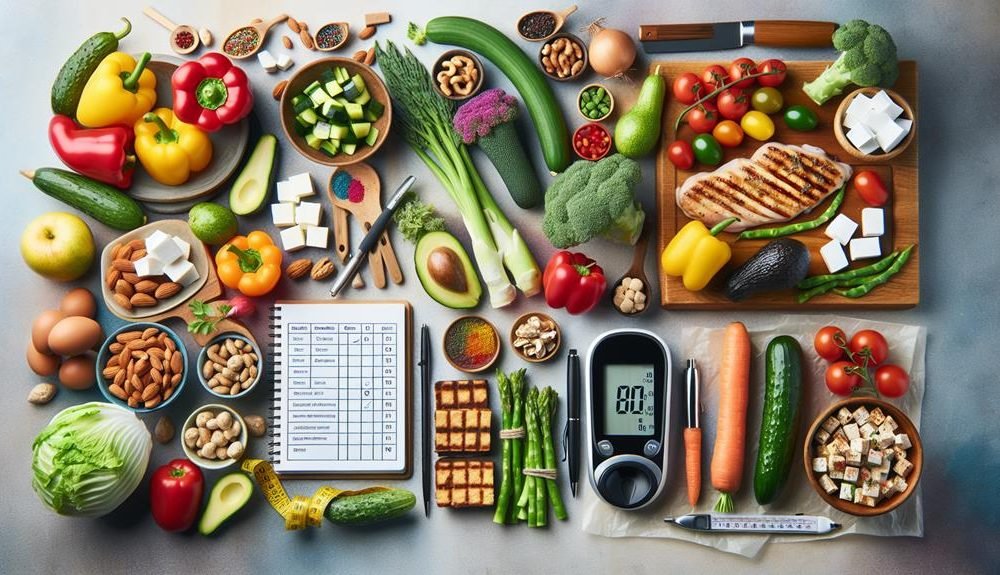
Begin on a healthier path with our Keto meal planning guide for diabetes control. Follow the Diabetes Plate Method for balanced meals. Benefit from the Keto diet's advantages in managing diabetes. Start Keto safely after consulting your healthcare provider. Lower carb intake with careful monitoring. Discover a variety of diabetes-friendly Keto foods. Explore the impact of the Keto diet on your body's metabolism. Learn how to prepare efficiently for your meals. Understand the importance of macronutrients in achieving ketosis. Enhance your meals with fish and seafood for heart health. Make informed choices to optimize your well-being.
Key Takeaways
- Utilize Diabetes Plate Method for balanced meals.
- Gradually reduce carb intake to less than 50g per day.
- Include nutrient-dense foods in meal plans.
- Monitor blood sugar levels closely.
- Stay hydrated and replenish electrolytes.
Diabetes Plate Method Overview
When managing diabetes, utilizing the Diabetes Plate Method offers a straightforward approach to creating well-balanced meals without the need for complex calculations or measurements. This method promotes portion control by visually dividing your plate into sections. Fill half of your plate with non-starchy vegetables like leafy greens, broccoli, or peppers. These vegetables are low in calories and carbohydrates, helping to keep your blood glucose levels stable. Next, fill a quarter of your plate with lean protein sources such as chicken, fish, tofu, or legumes. Protein helps you feel full and satisfied while supporting muscle health.
The remaining quarter of your plate is for carbohydrates like whole grains, starchy vegetables, or fruits. By portioning your plate in this way, you can enjoy a variety of foods while keeping your carbohydrate intake in check. This balance helps prevent spikes in blood sugar levels after meals. The Diabetes Plate Method simplifies meal planning, making it easier to create nutritious and satisfying dishes without feeling overwhelmed. It empowers you to make healthier choices effortlessly and manage your diabetes effectively with each meal. Incorporating this method into your routine can lead to better control of your blood glucose levels and overall well-being.
Benefits of Keto Diet for Diabetes
The benefits of incorporating a keto diet for diabetes management include aiding in weight loss, supporting energy maintenance, and potentially achieving diabetes remission. For individuals with type 2 diabetes, weight management is vital as excess weight can worsen insulin resistance. The keto diet's low-carb approach can help regulate blood sugar levels and promote weight loss due to the body entering a state of ketosis, where it burns fat for energy instead of glucose.
Moreover, the higher intake of protein and healthy fats on the ketogenic diet can reduce hunger pangs, making it easier to adhere to calorie restrictions and support diabetes management. Studies have shown that following a low-carb diet like keto may lead to improvements in cholesterol levels, fasting blood sugar levels, and even blood pressure for individuals with type 2 diabetes.
Additionally, the weight loss resulting from the keto diet can have a cascade of positive effects on overall health, including better cholesterol profiles and improved blood pressure. By focusing on nutrient-dense, low carb meals, individuals with diabetes can potentially experience significant improvements in their health markers, making the ketogenic diet a promising option for diabetes control.
Health Risks to Consider
Considering potential health risks is essential when contemplating the implementation of a ketogenic diet for diabetes management. While the keto diet can be effective for controlling blood sugar levels, it is important to be aware of the possible side effects. Some individuals may experience issues such as bad breath, dizziness, and nausea when shifting to a ketogenic eating plan. Additionally, there is a concern regarding elevated LDL cholesterol levels in some people following a keto diet, which could potentially increase the risk of cardiovascular disease over time.
Long-term adherence to the keto diet has also been associated with a higher likelihood of developing cardiovascular disease, cancer, and Alzheimer's disease. Pregnant women considering a ketogenic diet should proceed with caution as it may pose risks to the health of their child. In addition, individuals with a history of heart disease should consult with healthcare professionals before starting a ketogenic diet, as the high-fat nature of this eating plan could have implications for heart health.
Starting the Keto Diet Safely
To start the keto diet safely for diabetes management, it is advisable to consult with a healthcare provider to ensure alignment with your health goals and needs. Gradually decrease your carb intake to shift into ketosis, aiming for less than 50g of carbs per day to promote fat burning for energy. This controlled approach can help prevent significant blood sugar fluctuations in diabetic individuals. Monitoring your blood sugar levels closely when beginning the keto diet is vital, as adjustments to diabetes medications may be necessary to prevent hypoglycemia.
During the initial stages of the keto diet, staying hydrated and replenishing electrolytes is essential to prevent potential side effects like the keto flu. Make sure you incorporate nutrient-dense foods rich in healthy fats, moderate protein, and low-carb vegetables in your meal plans. These choices can support your overall health and diabetes management while following a keto diet.
Tips for Low Carb Count
For effective management of diabetes on a ketogenic diet, closely monitoring and limiting your carbohydrate intake is vital to support ketosis and stabilize blood sugar levels. Keeping your carb intake below 50g per day is essential for effective diabetes control. Tracking your carbohydrate consumption diligently can help you maintain ketosis and keep your blood sugar levels in check. Opt for low-carb vegetables and fruits to obtain essential nutrients without causing spikes in blood glucose levels. Incorporating low-carb protein sources such as poultry, fish, and tofu into your meals can support a balanced keto meal plan tailored for diabetes management.
To successfully manage your carb count, be mindful of hidden carbs present in condiments, sauces, and processed foods. These hidden carbs can add up quickly and hinder your efforts to stay within your daily carb limit. Reading nutrition labels carefully and choosing whole, unprocessed foods can help you avoid unnecessary carb intake. By focusing on a low-carb diet rich in nutrient-dense foods and steering clear of hidden carbs, you can enhance your chances of maintaining ketosis and effectively managing your diabetes through dietary control.
Diabetes-Friendly Keto Food List
To successfully manage your diabetes on a ketogenic diet, optimizing your food choices with a diabetes-friendly keto food list is key. When planning your meals, focus on incorporating healthy fats such as avocados, olive oil, and nuts. These fats not only provide essential nutrients but also help keep you feeling full and satisfied. Additionally, choosing low-carb vegetables like spinach, broccoli, and cauliflower can help you control your carb intake while still providing important vitamins and minerals.
For protein sources, consider including foods like salmon, eggs, and chicken in your meal plan. These protein-rich options support muscle health and can help you maintain a balanced diet. When it comes to dairy products, opt for full-fat versions of yogurt and cheese in moderation. These can help you meet your fat intake goals while adding variety to your meals.
It's important to be mindful of high-carb fruits like bananas, grapes, and mangoes. Instead, focus on incorporating berries and citrus fruits into your diet as they are lower in carbohydrates. By carefully selecting foods from this diabetes-friendly keto food list, you can support your diabetes control while enjoying a range of delicious and satisfying meal options.
Comparing Keto With Other Diets
Comparing the ketogenic diet with other dietary approaches reveals significant differences in macronutrient composition and metabolic outcomes. The Keto diet typically restricts carb intake to less than 50g/day, whereas other diets may allow for higher carb allowances. Unlike traditional low-fat diets, Keto focuses on high-fat intake for energy production. The primary goal of the Keto diet is to induce ketosis, a metabolic state where the body burns fat for fuel, instead of relying on carb metabolism for energy production.
In contrast to high-carb diets that prioritize glucose utilization, the Keto diet shifts the body's metabolic state to prioritize fat utilization. This emphasis on fat and protein intake sets Keto apart from diets that heavily rely on carbohydrates for energy. By promoting fat utilization, the Keto diet can have significant impacts on metabolic outcomes, making it potentially beneficial for those looking to manage diseases like diabetes. This metabolic shift can lead to improved glucose levels in individuals with diabetes, as the body becomes more efficient at utilizing fats for energy production rather than relying on glucose from carbohydrates. Understanding these distinctions between Keto and other diets is essential for individuals seeking to make informed choices about their dietary approach for disease management.
Advanced Preparation Tips
Engage in efficient meal preparation techniques for successful adherence to the keto diet and best time management. Making recipes ahead of time is a key aspect of advanced preparation in keto meal planning. By dedicating a portion of your day or week to cooking in advance, you can save valuable time during busy weekdays. This approach guarantees that you have compliant keto-friendly meals readily available, making it easier to stick to your dietary goals.
Preparing meals in advance not only saves time but also supports portion control. By having pre-portioned meals on hand, you can avoid overeating and make healthier choices. This strategy is particularly beneficial for individuals looking to maintain a consistent and healthy eating routine while following the keto diet.
Having recipes prepared ahead of time allows for quick reheating or assembly when mealtime arrives. This convenience reduces the temptation to opt for quick, unhealthy meals or snacks. By incorporating advanced preparation into your meal planning, you can set yourself up for success on the keto diet and make sure that compliant food is always within reach. By following these tips, you can streamline your meal planning process and make it easier to maintain a healthy eating routine.
Meal Plan Versatility
Enhance your keto meal planning experience by exploring the flexibility and adaptability offered through meal plan versatility. Keto meal plans can be tailored to accommodate your personal preferences and specific dietary requirements. This adaptability allows you to enjoy a variety of meals while still maintaining the principles of the ketogenic diet.
The versatility of recipes within the meal plan provides options for different ingredients and cooking methods. This variety not only keeps your meals exciting and flavorful but also guarantees that you can find dishes that align with your taste preferences.
Moreover, the meal plan can be adjusted to help you meet your individual macronutrient goals. Whether you need to increase your fat intake or moderate your protein consumption, the flexibility of the plan allows for customization to suit your needs.
Macronutrient Profile Importance
To optimize your keto meal planning for diabetes control, understanding the importance of the macronutrient profile is key. Balancing fat, protein, and carbs is essential in achieving ketosis and effectively managing blood sugar levels. By following a specific ratio of macronutrients, you can help your body shift from using carbs to utilizing fat for energy, which is beneficial for diabetes control.
When planning your meals, remember that adequate fat intake is necessary not only for energy but also to support overall health. Moderate protein consumption is important for maintaining muscle health and promoting satiety throughout the day. Additionally, limiting your carb intake to a certain level is crucial to make sure that your body stays in a state of ketosis. This restriction on carbs not only aids in weight loss but also improves insulin sensitivity, which is particularly important for individuals with diabetes.
Highlighting Fish and Seafood
Fish and seafood, important sources of omega-3 fatty acids, play a vital role in supporting heart health and reducing inflammation. The omega-3 fatty acids found in fish such as salmon and sardines not only help in lowering the risk of Type 2 diabetes and obesity but also provide additional health benefits when included in a ketogenic diet. By including at least three servings of fish and seafood per week in your meal plan, you can enjoy the advantages of improved heart health and reduced inflammation, contributing to overall well-being. Additionally, the consumption of omega-3s from fish and seafood supports a healthy gut microbiome, which is essential for managing Type 2 diabetes and promoting a balanced internal environment.
When following a ketogenic diet for diabetes control, choosing nutrient-dense fish and seafood can enhance the nutritional value and flavor variety of your meals. These options provide essential nutrients while aligning with the principles of a low-carb, high-fat dietary approach. By prioritizing fish and seafood rich in omega-3 fatty acids, you can not only manage your diabetes more effectively but also support your heart health and reduce inflammation, thereby fostering a healthier lifestyle overall.
Frequently Asked Questions
Is a Keto Meal Plan Good for Diabetics?
A keto meal plan can be beneficial for diabetics as it supports insulin sensitivity, blood sugar control, and nutrient balance. Meal prep is essential for diabetic-friendly keto diets. It can assist in weight management and energy levels. Consulting your healthcare provider is vital to guarantee safety, especially if you have kidney disease or heart conditions. Consider potential side effects and medication adjustments when starting a keto journey for diabetes control.
Can You Control Diabetes With Keto Diet?
You can effectively manage diabetes with a keto diet by benefiting from its blood sugar control, improved insulin resistance, weight management, nutritional balance, and carb restriction. This approach can lead to better glycemic control, reduced medication needs, and enhanced metabolic health. Embracing the principles of a well-planned keto diet with careful monitoring can empower you in taking charge of your diabetes and overall well-being.
What Is the Best Eating Pattern for a Diabetic?
For diabetics, the best eating pattern involves a Mediterranean diet with carb counting, portion control, and low glycemic foods. Focus on balanced meals to regulate blood sugar levels effectively. Incorporate a variety of nutrient-dense foods while tracking your blood sugar. This approach can support overall health and help manage diabetes more efficiently.
Is There a Free App for Diabetic Meal Planning?
Yes, there are free apps for diabetic meal planning that offer nutrition tracking, recipe suggestions, blood sugar monitoring, carb counting, grocery lists, and meal prep options. These apps help you make informed food choices, manage carb intake, and improve blood sugar control. They also provide tools to track macros and tailor meals to your diabetic dietary needs. Utilizing these apps can support your journey towards better diabetes management.
Conclusion
To sum up, following a keto meal plan can be an effective way to control diabetes by managing blood sugar levels. Research shows that adhering to a low-carb diet like keto can lead to a significant reduction in HbA1c levels, a key marker for long-term blood sugar control. By incorporating the Diabetes Plate Method and focusing on a macronutrient profile that works for you, you can customize a keto meal plan that meets your specific needs for diabetes management.