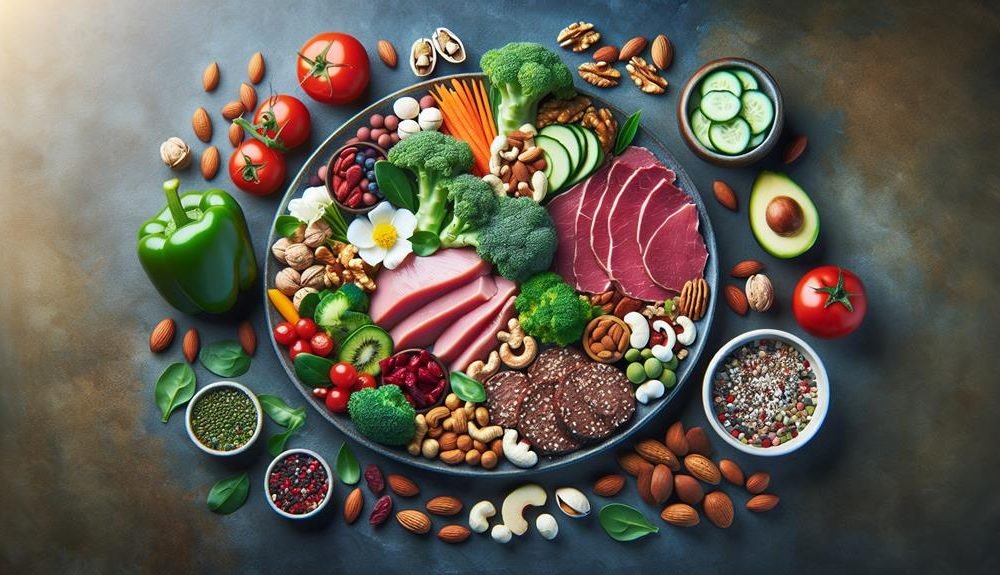
Optimize your athletic performance with tailored keto diet plans. Achieve precise macronutrient balance, enhance endurance, energy levels, and recovery. Strategically fuel your body for efficient workouts and competitions. Maintain ketosis for energy, fast recovery times, and fat adaptation. Customize ratios for peak physical performance, tailored to your needs. Reduce inflammation, support peak performance, and enhance achievements. Balance fats, proteins, and carbs for metabolic function. Prioritize real food-based fats like avocados and olive oil. Implement strategies around energy utilization, hydration, and electrolytes. Meal plan for sustained energy, recovery, and glycogen replenishment. Enhance performance with a full fat-adaptation program.
Key Takeaways
- Customized keto plans optimize athlete performance efficiently.
- Tailored macronutrient ratios enhance endurance and recovery.
- Strategic meal planning for sustained energy and peak performance.
- Focus on real food-based fats for metabolic function.
- Implement hydration, electrolyte balance, and inflammation reduction strategies.
Benefits of Custom Keto Plans
Custom keto plans optimize athlete performance by ensuring the precise balance of macronutrients essential for enhanced endurance, energy levels, and recovery. For athletes seeking to maximize their performance, personalized keto diets offer a strategic approach to fueling the body efficiently. By adhering to ketogenic diets tailored to individual needs, athletes can experience significant benefits such as improved endurance during workouts and competitions. These specialized meal plans also support stable energy levels, vital for sustaining peak performance throughout training sessions and events.
One of the key advantages of personalized keto diets for athletes is the promotion of fat adaptation. This metabolic state allows athletes to efficiently utilize fat as a fuel source, enhancing their endurance capabilities. By optimizing macronutrient ratios through customized ketogenic meal planning, athletes can train their bodies to rely on fat for energy, leading to consistent performance gains over time.
Moreover, personalized keto diets address athletes' specific nutritional needs, ensuring that they receive the essential nutrients required for best results. By tailoring meal plans to individual requirements, athletes can achieve the right balance of nutrients to support their performance goals. This approach not only fosters improved physical performance but also aids in reducing inflammation and providing a steady supply of energy during demanding workouts. Embracing customized ketogenic meal planning can be a game-changer for athletes looking to elevate their performance to the next level.
Macronutrient Ratios for Athletes
When planning your ketogenic diet as an athlete, it's essential to carefully consider the macronutrient ratios to optimize your performance and fuel your body effectively. Athletes following a ketogenic diet typically aim for macronutrient ratios of 70-75% fat, 20-25% protein, and 5-10% carbs. These specific ratios are vital for athletes to achieve and maintain ketosis, where the body utilizes fat for energy instead of carbohydrates. By maintaining this balance, athletes guarantee they have enough energy for their workouts and aid in quicker recovery times while promoting fat adaptation.
Adjusting your macronutrient intake based on your individual needs and activity levels is key to enhancing your athletic performance. Fine-tuning these ratios allows you to optimize your ketogenic diet for peak physical performance and endurance. Monitoring your macronutrient ratios enables you to tailor your diet to suit your body's requirements efficiently. This customization ensures that you are getting the most out of your diet while supporting your athletic endeavors.
Real Food-Based Fats Incorporation
To enhance your athletic performance on a ketogenic diet, incorporating real food-based fats like avocados, nuts, seeds, and olive oil is essential for best health and sustained energy levels. These fats are rich in essential nutrients such as omega-3 fatty acids, vitamin E, and monounsaturated fats, which are important for best metabolic function and overall well-being. By including high-quality, unprocessed fats in your diet, you guarantee better absorption of fat-soluble vitamins and minerals, supporting your body's needs for peak performance.
Real food-based fats not only provide a source of energy but also contribute to improved satiety, helping you feel satisfied and fueled throughout your athletic endeavors. Athletes following a ketogenic diet can benefit greatly from the inclusion of these fats as they play an important role in supporting endurance, performance, and recovery. Opting for natural sources of fats over processed alternatives can have a significant impact on your athletic output and overall health.
Incorporating real food-based fats into your ketogenic meal plan is a strategic choice that can elevate your athletic performance by providing a sustainable energy source, promoting better metabolic function, and ensuring that your body receives the essential nutrients it needs to thrive. Prioritizing these high-quality fats will not only enhance your physical performance but also contribute to your overall well-being as an athlete.
Performance Optimization Strategies
For peak performance in sports and fitness activities, implementing customized strategies to maximize your energy utilization and boost endurance is key. When it comes to performance optimization, practical keto meal plans play an essential role in supporting your body's energy needs. By focusing on a strategic macronutrient balance, you can guarantee sustained energy levels throughout your workouts. This balance helps your body efficiently utilize fats as a fuel source, enhancing energy efficiency and overall health.
Carbohydrates also play an important role in fueling your workouts. Strategic timing of carbohydrate intake around your training sessions can greatly boost your performance and aid in faster recovery post-exercise. It's crucial to tailor these carbohydrate intake strategies to your individual needs and preferences for best results.
Moreover, achieving metabolic flexibility through ketosis allows your body to switch between utilizing fats and carbohydrates for fuel during exercise. This flexibility enhances your body's ability to adapt to different energy demands, ultimately improving your overall performance. Remember, individualized hydration and electrolyte management are also key factors in maintaining peak performance on a ketogenic diet. By combining these strategies, you can optimize your performance, enhance your endurance, and take your athletic abilities to the next level.
Meal Planning for Athletic Energy
Customizing your meal plans is essential for maximizing athletic energy levels on a ketogenic diet. When planning meals for athletic performance, focusing on balanced macronutrient ratios is key. For athletes following a ketogenic diet, this typically involves a higher proportion of healthy fats, an adequate intake of protein to support muscle maintenance and repair, and a controlled amount of carbohydrates primarily from low-carb vegetables.
Strategic timing of meals can greatly impact workout performance and recovery. Consuming a meal or snack containing protein and fats before a workout can provide sustained energy, while a post-workout meal rich in protein aids in muscle recovery. Adequate calorie intake is fundamental for meeting the high energy demands of athletes, ensuring they have the fuel needed to perform at their best.
Proper hydration and electrolyte management are also crucial for maintaining peak athletic performance on a ketogenic diet. Electrolytes like sodium, potassium, and magnesium play vital roles in muscle function and hydration status. Including electrolyte-rich foods or supplements in your meal plan can help prevent dehydration and support peak performance during training and competition. By paying attention to these factors and tailoring your meals to support your athletic endeavors, you can enhance your energy levels and overall performance on a ketogenic diet.
Recovery Enhancement Techniques
Enhancing recovery after intense workouts involves incorporating specific nutrition strategies and lifestyle practices tailored to support ideal muscle repair and overall performance. Post-workout nutrition plays an important role in replenishing glycogen stores and initiating the muscle repair process. Focus on including a combination of protein and healthy fats to promote muscle protein synthesis. Additionally, integrating anti-inflammatory foods such as fatty fish rich in omega-3 fatty acids, turmeric, and leafy greens can help reduce inflammation, muscle soreness, and accelerate the recovery process for athletes.
Maintaining proper hydration levels and electrolyte balance is essential for maximizing muscle recovery and optimizing athletic performance. Hydration supports nutrient delivery to cells and aids in the removal of metabolic byproducts generated during exercise. Make sure to drink an adequate amount of water throughout the day, especially around your workouts, to support recovery.
Strategic rest days are important for allowing the body to recuperate and adapt to training stress. Consider incorporating active recovery methods like light stretching, foam rolling, or low-intensity activities to enhance blood flow, reduce muscle tension, and expedite recovery. Additionally, prioritizing high-quality sleep is necessary for athletes looking to improve muscle repair, hormone regulation, and mental well-being. Aim for 7-9 hours of uninterrupted sleep each night to support your recovery and overall athletic performance.
Inflammation Reduction Methods
To enhance recovery and performance for athletes, consider incorporating inflammation reduction methods such as implementing a ketogenic diet plan. Athletes aiming to decrease inflammation levels post-exercise can benefit from the anti-inflammatory state promoted by a customized keto diet. Studies have shown that ketogenic diets have the potential to lower markers of inflammation in the body, making it a valuable tool for athletes looking to improve their recovery process.
By reducing carbohydrate intake and shifting the body into ketosis, athletes may experience a decrease in inflammation, which can contribute to improved overall performance. Athletes on a customized keto diet plan may notice less post-exercise inflammation, allowing for faster recovery times and better adaptation to training stressors.
Incorporating a ketogenic diet into an athlete's routine can help create an environment conducive to reduced inflammation levels, ultimately supporting peak performance. By understanding the impact of nutrition on inflammation and recovery, athletes can tailor their dietary choices to suit their individual needs and goals, leading to enhanced athletic achievements. Embracing a keto diet as part of a holistic approach to athlete well-being can be a key step towards achieving peak performance levels.
14-Day Full Fat-Adaptation Program
The Full Fat-Adaptation Program, spanning over 30 days, optimizes athlete performance by strategically shifting the body's energy source from carbohydrates to fats through tailored meal planning. This program is designed to enhance athlete performance on a ketogenic diet by gradually reducing carbohydrate intake while increasing the consumption of healthy fats. By following this structured approach, athletes can experience improved endurance, stable energy levels, and enhanced recovery.
During the Full Fat-Adaptation Program, athletes strategically plan their meals to promote fat utilization over carbs, leading to better metabolic flexibility and overall athletic performance. The gradual reduction in carbohydrate intake prompts the body to adapt to using fats as its primary fuel source, which can result in sustained energy levels and increased stamina during training and competitions.
Frequently Asked Questions
Does Keto Diet Improve Athletic Performance?
Improving athletic performance with a keto diet is achievable. Endurance benefits, muscle recovery, and stable energy levels are reported. Mental clarity, reduced inflammation, and weight management are additional perks. Athletes experience enhanced athletic endurance, performance enhancements, and improved metabolic flexibility. Training adaptations are optimized with a tailored keto plan. Embrace the potential of a keto diet for elevated athletic achievements and holistic well-being.
How Many Carbs Should an Athlete Eat on Keto?
Feeling like carbs are your sworn enemy on keto? In reality, balancing carb intake can be key for athletic prowess. Timing those carbs strategically around workouts can supercharge your energy levels without kicking you out of ketosis. Pre-workout fuel, post-exercise recovery, and carb cycling all play a role in optimizing muscle glycogen, training adaptations, and performance metrics. Embracing metabolic flexibility through ketone production can boost your athletic endurance to new heights.
What Is the Macro Ratio for Athletes on Keto Diet?
To optimize your athletic performance on a keto diet, maintain a macro ratio of 70-75% fat, 20-25% protein, and 5-10% carbs. This balance allows your body to stay in ketosis, using fat for energy. Adjust these ratios based on your activity levels. Prioritize protein intake, choose quality fat sources, and time your meals strategically. Guarantee proper electrolyte balance, focus on muscle recovery, stay hydrated, and fuel up before and after workouts for sustained energy and long-term success.
What Is 5 25 70 Keto?
In a 5-25-70 keto diet, you consume 5% carbs, 25% protein, and 70% fat. This ratio aims to keep you in ketosis for fat burning and energy. Athletes benefit from improved endurance, energy levels, and muscle maintenance. By adapting to fat as fuel, you enhance performance and metabolic flexibility. Proper electrolyte balance, meal planning, and adherence to nutritional guidelines are essential for best results in weight management and endurance training.
Conclusion
As you lace up your running shoes and hit the pavement, remember that your body is a well-oiled machine that needs the right fuel to perform at its best. Just like a finely-tuned sports car, a tailored keto diet plan can help you reach peak performance levels. By incorporating real food-based fats, optimizing your macronutrient ratios, and focusing on recovery and inflammation reduction, you'll be unstoppable on your journey to athletic excellence. Embrace the power of customized nutrition for your success.