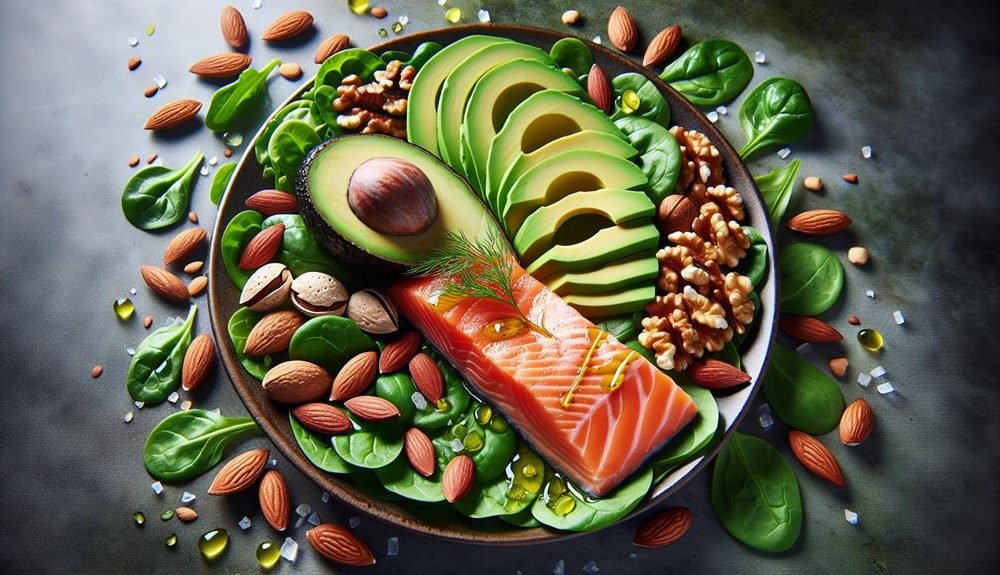
To enhance your keto energy, incorporate avocados, nuts, olive oil, fatty fish, coconut oil, egg yolks, whole fat yogurt, bacon, and nut butter. Avocados are rich in nourishing fats for sustained vitality. Nuts and seeds provide essential nutrients and are low in carbs. Olive oil's monounsaturated fats reduce inflammation. Fatty fish supports heart health with omega-3. Coconut oil with MCTs aids in weight loss. Egg yolks benefit brain function and metabolism. Whole fat yogurt offers protein and gut health. Bacon adds a flavorful boost. Nut butter is a creamy, versatile option. Elevate your keto journey with these energy-boosting foods.
Key Takeaways
- Avocados are rich in monounsaturated fats and fiber, perfect for a ketogenic diet.
- Nuts, seeds, and their healthy fats are low in carbs and packed with essential nutrients.
- Olive oil, with its monounsaturated fats and antioxidants, reduces inflammation and benefits health.
- Fatty fish, like salmon, provide omega-3 fats for brain function and energy.
- Coconut oil's MCTs support metabolism, cognitive function, and weight loss on a ketogenic diet.
Avocados
Avocados, renowned for their rich composition of heart-healthy fats, fiber, vitamins, and minerals, stand as a powerhouse of nutrients essential for promoting overall health. These creamy green fruits not only offer a satisfyingly rich taste but also provide a myriad of health benefits. The healthy fats in avocados, mainly monounsaturated fats, can aid in reducing bad cholesterol levels, thereby supporting heart health. Additionally, the fiber content in avocados promotes digestive health by aiding in proper digestion and contributing to a feeling of fullness.
When it comes to vitamins and minerals, avocados are a treasure trove. They contain essential nutrients such as vitamin K, vitamin E, vitamin C, potassium, and folate, all of which play vital roles in various bodily functions. Avocado oil, derived from avocados, is not only a versatile cooking ingredient but also enhances the nutritional value of dishes. This nutrient-dense fruit is particularly beneficial for individuals following a ketogenic diet due to its high fat content, making it a perfect addition to meals for those seeking to maintain ketosis.
Incorporating avocados into your diet can play a key role in a well-rounded, healthy eating plan. Whether enjoyed on toast, in salads, or blended into creamy smoothies, avocados are a delicious and nutritious choice for promoting overall health and well-being.
Nuts and Seeds
High in healthy fats and low in carbs, nuts and seeds are excellent choices for fueling your body on a ketogenic diet. Nuts like almonds, walnuts, and macadamia nuts are packed with healthy fats, while being low in carbs, making them a perfect snack for keto. They provide essential nutrients and fiber, contributing to a feeling of fullness and aiding in digestion. Seeds such as chia seeds, flax seeds, and hemp hearts are rich sources of omega-3 fats and fiber, promoting heart health and providing a crucial energy source for your body.
Nut butters, derived from nuts and seeds, offer a convenient way to incorporate these power-packed foods into your daily meals. They serve as a source of plant-based protein, healthy fats, and essential nutrients. Including a variety of nuts and seeds in your diet not only helps with satiety but also ensures that you are getting a broad spectrum of nutrients important for overall health.
Incorporating nuts and seeds into salads, yogurt, or keto-friendly baked goods can elevate the flavor profile of your dishes while increasing your fat intake. Whether you sprinkle them on top or blend them into a creamy nut butter, these foods are versatile and delicious additions to your ketogenic lifestyle.
Olive Oil
Nuts and seeds provide a solid foundation of healthy fats on a ketogenic diet, and moving on to discussing olive oil continues to support this dietary approach by introducing another key source of beneficial fats. Olive oil is a powerhouse of heart-healthy monounsaturated fats, a hallmark of the Mediterranean diet renowned for its health benefits. This elixir is not just a kitchen staple but a treasure trove of antioxidants and beneficial compounds, especially in its least processed form, extra virgin olive oil.
Regularly incorporating olive oil into your diet may help combat inflammation and lower the risk of chronic diseases. Its versatile nature allows for a myriad of uses – from enhancing the flavor of dishes to being an essential component in salad dressings. Whether you're sautéing, baking, or simply drizzling it over your food, olive oil is a go-to for both cooking and health-conscious reasons.
The Mediterranean diet's reliance on olive oil has been associated with numerous health benefits, particularly in reducing the risk of heart disease and inflammation. By embracing olive oil in your culinary endeavors, you not only elevate the taste of your dishes but also boost nutrient absorption, making it an essential ingredient for a health-centric lifestyle.
Fatty Fish
Fatty fish, such as salmon and sardines, offer a vital source of omega-3 fats essential for brain function and heart health. These fish are not only delicious but also serve as excellent protein sources while being low in carbs, making them a perfect fit for a ketogenic diet. By including fatty fish like salmon and sardines in your meals regularly, you can benefit from the omega-3 fats they provide, which play an essential role in supporting brain function and promoting heart health.
Moreover, the omega-3 fats found in fatty fish can help lower inflammation in the body, reducing the risk of chronic diseases. These healthy fats also support cognitive function, improve mood, and aid in weight management, making them a valuable addition to your diet. When you incorporate fatty fish into your meals, you can experience enhanced energy levels, increased satiety, and overall health optimization, especially when following a ketogenic diet. So, next time you're planning your meals, consider adding salmon or sardines to reap the numerous benefits that these fatty fish offer for your well-being.
Coconut Oil
With its abundance of medium-chain triglycerides (MCTs), coconut oil presents a valuable addition to optimize energy levels and metabolic function on a ketogenic diet. The MCTs in coconut oil are efficiently converted into ketones by the liver, providing a quick and sustainable energy source for your body. These ketones not only fuel your physical activities but also enhance cognitive function, giving you mental clarity and focus throughout the day.
Moreover, incorporating coconut oil into your meals can support weight loss efforts. The MCTs in coconut oil increase feelings of fullness, which can help control appetite and reduce overall calorie intake. Additionally, by boosting metabolism, coconut oil promotes the burning of stored fat for energy, aiding in weight management.
One of the significant advantages of coconut oil is its heat stability, allowing you to use it in cooking at high temperatures without the risk of oxidation or losing its nutritional benefits. Whether you add it to your morning coffee or use it in cooking, coconut oil provides a sustained energy boost that can enhance both physical and mental performance.
Cheese Varieties
Among the various high-fat foods suitable for a ketogenic diet, cheese varieties such as cheddar, gouda, and brie stand out for their rich content of high-quality fats and protein. Cheese not only provides a delicious way to increase fat intake but also offers essential nutrients like calcium and phosphorus important for bone health and metabolic function.
For those with lactose intolerance, hard cheeses like parmesan and aged cheddar are excellent choices as they contain minimal lactose compared to other dairy products. On the other hand, soft cheeses like cream cheese and brie add a creamy texture and rich flavor to keto dishes, enhancing the overall eating experience.
Including a variety of cheese types in your diet not only ensures you meet your fat and protein requirements on a ketogenic eating plan but also adds diversity to your meals. This variety allows you to experiment with different flavors and textures, keeping your meals interesting and satisfying. So, next time you are planning your keto-friendly meals, consider incorporating various cheese varieties to make your dishes both delicious and nutrient-dense.
Butter and Ghee
Butter and ghee, renowned for their high-fat content and stability in cooking, are valuable additions to a ketogenic diet for enhancing energy levels and supporting ketosis. Butter is a carb-free option that consists of 80% fat, making it an excellent choice for those following the Keto diet. Ghee, a form of clarified butter, is also a rich source of healthy fats that can provide sustained energy on a ketogenic eating plan.
When it comes to cooking, both butter and ghee are stable fats that maintain their nutritional properties even at high temperatures. This makes them ideal for various cooking methods, including sautéing, frying, and baking, without the risk of oxidation or nutrient degradation. Additionally, butter contains butyrate, a type of fatty acid that has been associated with promoting brain health. By incorporating butter and ghee into your meals, you not only increase your fat intake but also potentially support mental clarity while on the Keto diet.
To optimize your ketogenic experience, consider using butter and ghee in your meal preparation to boost your energy levels and facilitate ketosis. These high-fat options not only add flavor and richness to your dishes but also serve as reliable sources of energy to keep you feeling satisfied and energized throughout the day.
Dark Chocolate
Dark chocolate, a delectable treat rich in antioxidants and polyphenols, offers a flavorful and potentially beneficial option for those on a ketogenic diet looking to satisfy their sweet cravings while supporting heart health. This indulgent treat contains high levels of antioxidants, particularly flavanols, which have been associated with a reduced risk of heart disease. Additionally, the polyphenols found in dark chocolate can help lower blood pressure and promote overall artery health.
When selecting dark chocolate for your ketogenic lifestyle, it is essential to check the labels for carb content. Opt for varieties with higher cocoa content, as they tend to be a pivotal choice. Enjoying dark chocolate in moderation can provide you with both a delicious treat and potential health benefits. It is important to remember that moderation is key, as dark chocolate can still contain a significant amount of calories.
Incorporating dark chocolate into your diet can add variety and flavor without compromising your ketogenic goals. By choosing dark chocolate with a high cocoa content, you can indulge your sweet cravings while staying in line with your low-carb diet. So go ahead, savor a piece of dark chocolate mindfully, knowing that you are not only satisfying your cravings but also potentially supporting your heart health on your ketogenic journey.
Egg Yolks
Egg yolks, rich in healthy fats and essential nutrients like vitamin A, D, E, and K, play an important role in supporting overall health and well-being. With approximately 5 grams of fat per yolk, they are a valuable source of essential fatty acids. These nutrients are critical for various bodily functions, from supporting brain function and metabolism due to their choline content to promoting heart health and aiding in weight loss.
Including egg yolks in your diet can have a positive impact on your overall health. The fats in egg yolks can help increase feelings of fullness and satiety, making it easier to control your calorie intake. Additionally, the consumption of egg yolks has been linked to an improvement in HDL (good) cholesterol levels, which is beneficial for heart health.
In addition, the presence of vitamin A in egg yolks is essential for vision, immune function, and skin health. Vitamin D is crucial for bone health and immune function, while vitamin E acts as an antioxidant, protecting your cells from damage. To conclude, vitamin K plays a vital role in blood clotting and bone metabolism.
Incorporating egg yolks into your diet can be a nutritious way to boost your intake of essential nutrients while enjoying the benefits of healthy fats for overall well-being and energy.
Whole Fat Yogurt
When incorporating whole fat yogurt into your diet, you are choosing a rich source of healthy fats that provides 6g of fat per 5.3-ounce serving. This creamy and nutritious option is a great choice for individuals following a ketogenic diet, as it contains 13g of protein, helping you feel satisfied and full for longer periods. With only 6g of carbs per serving, whole fat yogurt is a low-carb food that can support your goals of staying in ketosis.
Moreover, whole fat Greek yogurt is not only a delicious snack but also high in probiotics, which are beneficial for your gut health and digestion. By including this option in your diet, you can enjoy the benefits of probiotics while meeting your fat intake targets. The creaminess of whole fat yogurt adds a satisfying element to your meals or snacks, making it a versatile and enjoyable food choice.
Bacon and Sausages
Incorporating bacon and sausages into your ketogenic meal plan can provide a flavorful high-fat boost to support your energy needs. Bacon, a staple in many keto diets, offers a substantial 42g of fat per 100g serving, making it an excellent choice to boost your fat intake. Sausages, another high-fat option, contain 20g of fat and 16g of protein per 100g serving, providing a well-rounded addition to your meals.
When selecting bacon and sausages for your keto lifestyle, opt for high-quality, minimally processed varieties that are free from added sugars and fillers. This guarantees you are receiving the full benefits of these foods without any unwanted additives. By choosing these minimally processed options, you can enjoy the richness and flavor of bacon and sausages while staying true to your health goals.
Including bacon and sausages in moderation as part of a balanced keto meal plan can contribute to sustained energy levels and increased satiety throughout the day. These high-fat foods not only provide essential energy but also add a savory element to your meals, making them more enjoyable and satisfying. So, savor the flavors of bacon and sausages in your keto journey for a delicious and nutritious way to support your dietary needs.
Nut Butter
For a creamy and rich source of healthy fats on your ketogenic journey, consider including nut butter into your meal plan. Nut butter, such as almond butter, is a high-fat food derived from ground nuts like almonds, peanuts, or cashews. It offers a convenient way to boost your intake of healthy fats, protein, and fiber, making it a popular choice for those following keto or low-carb diets.
One of the key advantages of nut butter is its versatility. You can spread it on low-carb bread, add it to smoothies for a creamy texture, or use it as a dip for veggies. Different varieties of nut butter provide unique flavors and nutrient profiles. For instance, almond butter is rich in vitamin E and magnesium, providing an additional nutritional boost to your diet.
When selecting nut butter for your ketogenic lifestyle, opt for natural varieties that contain no added sugars or oils. This ensures that you are receiving the purest form of healthy fats without any hidden carbohydrates that could affect your ketosis. By integrating nut butter into your meals and snacks, you can enjoy a tasty and fulfilling way to nourish your body with the necessary nutrients it requires while staying committed to your low-carb goals.
Frequently Asked Questions
What Foods Boost Energy on Keto?
If you're looking to boost energy on keto, consider incorporating some key foods. Nut butter, avocado toast, coconut oil, cheese crisps, egg muffins, bacon strips, salmon fillet, butter coffee, macadamia nuts, and heavy cream are great options. These high-fat foods provide sustained energy and support ketosis. Experiment with these delicious choices to keep your energy levels up and stay on track with your keto lifestyle.
What Foods Are High in Fat but Are Keto Friendly?
When looking for high-fat, keto-friendly foods, consider incorporating avocado benefits, coconut oil benefits, nuts, seeds, various cheese varieties, olive oil benefits, fatty fish options, butter benefits, heavy cream uses, bacon recipes, and egg benefits into your diet. These choices can provide essential nutrients, healthy fats, and sustained energy levels to support your ketogenic lifestyle. Incorporating these options can help you stay on track and maintain your energy levels throughout the day.
How Do I Keep My Energy Levels up on Keto?
To keep your energy levels up on keto, focus on consuming the best snacks such as nuts and seeds, quick meals like salads with avocado and protein, and incorporating coffee hacks like adding MCT oil. Prioritize workout tips for maintaining energy, practice meal prepping for convenience, consider a supplements guide, guarantee hydration, prioritize quality sleep, manage stress levels, and balance electrolytes for sustained energy on a ketogenic diet.
How Do You Gain Fat Fast on Keto?
To rapidly gain fat on a Keto diet, focus on high-fat snacks like nuts, seeds, and full-fat dairy. Opt for fat-rich meals with fatty cuts of meat, cheese, and eggs. Use Keto-friendly fats like coconut oil, MCT oil, and butter for quick fat intake. Try fat bomb recipes for efficient fat absorption and energy boosting. Prioritize easy fat sources to support your energy needs while efficiently burning fat on Keto.
Conclusion
To sum up, integrating high-fat foods into your keto diet can give a natural energy boost to help you feel fulfilled and attentive all day long. Remember, 'you are what you eat,' so choose wisely and nourish your body with nutrient-rich options like avocados, nuts, olive oil, and fatty fish. By making intelligent food choices, you can enhance your energy levels and promote your overall health on the ketogenic diet.