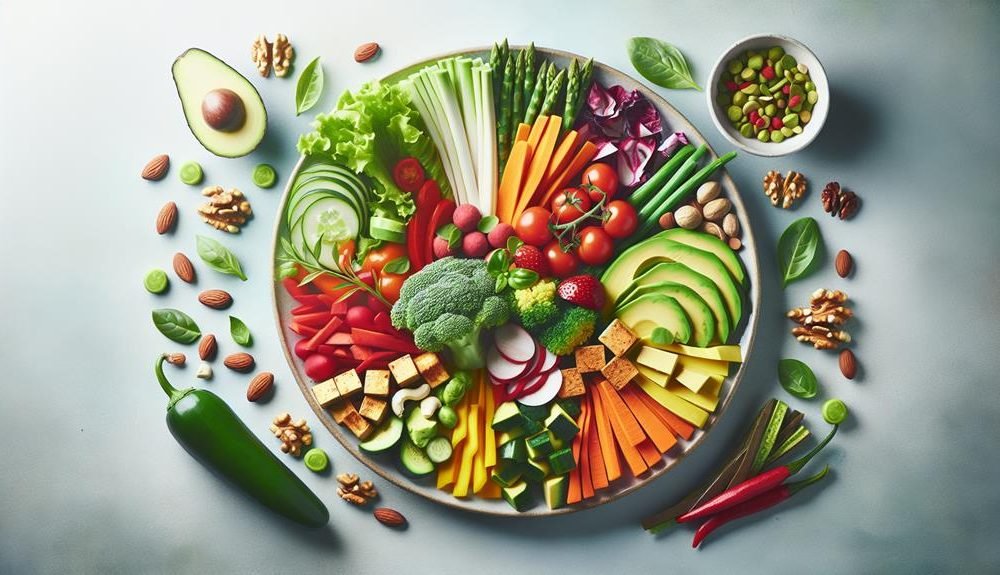
For success on a vegetarian keto diet, focus on meal planning rich in low-carb veggies, healthy fats, and vegetarian proteins. Monitor essential nutrients like B12 and iron. Stay well-hydrated and balance electrolytes. Track macros aiming for 70% fat, 20% protein, and 10% carbs. Consider wise supplementation choices. Diversify veggies and healthy fats for a balanced diet. Benefit from intermittent fasting to boost metabolism. To sustain success, try new recipes and stick to plant-based proteins. Keep experimenting with whole foods and maintain a diverse menu for long-term achievements.
Key Takeaways
- Include nutrient-rich low-carb vegetables and healthy fats for balanced meals.
- Monitor essential nutrient levels and consider supplementation if needed.
- Stay hydrated, balance electrolytes, and adjust fluid intake as necessary.
- Track macronutrients diligently with a focus on plant-based foods.
- Incorporate intermittent fasting strategically for metabolic benefits.
Meal Planning for Success
When embarking on a vegetarian keto diet, successful meal planning is vital for meeting your nutritional needs and staying on track. Planning your meals ahead of time guarantees that you have a variety of nutrient-rich foods incorporated into your diet. Focus on including low-carb vegetables, healthy fats, and vegetarian protein sources to maintain a balanced and fulfilling eating plan.
In your vegetarian keto meal planning, it's essential to incorporate fiber-rich foods like chia seeds and flaxseeds. These foods not only support your digestion but also contribute to your overall health. Additionally, consider including iron-rich vegetables such as spinach and kale to meet your body's iron requirements while following a vegetarian keto diet.
To make sure you are getting an adequate amount of protein, strategically include sources like tofu and tempeh in your meals. These plant-based protein sources are crucial for muscle health and can help you feel full and satisfied after your meals. By planning your meals with these key components in mind, you can set yourself up for success on your vegetarian keto journey. Planning ahead will not only make your life easier but also help you stick to your dietary goals effectively.
Essential Nutrient Monitoring
Monitoring crucial nutrients is crucial for individuals following a vegetarian keto diet, particularly to address common deficiencies associated with this dietary approach. Vitamin B12 levels should be closely monitored, as deficiency is prevalent in vegetarian diets, especially strict plant-based ones. To prevent deficiencies, keep an eye on iron intake and incorporate iron-rich plant sources like spinach, lentils, and pumpkin seeds into your meals. Since dairy products are restricted in some vegetarian diets, track your calcium consumption to guarantee adequate levels and consider supplementation if needed. Zinc levels should also be a focus, as plant-based sources of zinc may be less bioavailable than animal-based sources, potentially necessitating supplementation.
To stay on top of your nutrient status, consider regular blood tests to monitor key levels like B12, iron, calcium, and zinc. Based on the results, adjust your diet or supplement regimen accordingly to maintain peak health while following a vegetarian keto diet. By staying proactive in monitoring these essential nutrients, you can help prevent nutritional deficiencies and support your overall well-being on this dietary plan.
Hydration and Adjustments
Starting properly hydrated is essential for supporting metabolic processes and preventing dehydration while following a vegetarian keto diet. Adequate hydration is key to ensuring your body functions at its best and aids in digestion, nutrient transport, and overall well-being. When on a low-carb, high-fat diet like the vegetarian keto plan, maintaining electrolyte balance becomes essential. Electrolytes such as sodium, potassium, and magnesium play an important role in proper nerve and muscle function. It's important to be mindful of your electrolyte needs to prevent imbalances that could lead to issues like muscle cramps or fatigue.
As you begin on your vegetarian keto journey, you may experience the need for adjustments to fine-tune your nutrient intake. Monitoring your body's response to hydration levels can guide you in making necessary adjustments to your fluid intake. By staying attuned to how your body feels and reacts, you can tailor your hydration strategy to meet your individual needs effectively. Additionally, being proactive about electrolyte needs and making adjustments as necessary can help prevent common side effects like keto flu symptoms. Remember, staying hydrated and maintaining proper electrolyte balance are important components of a successful vegetarian keto diet.
Balancing Macronutrients
To achieve excellent results on a vegetarian keto diet, it is important to balance your macronutrient intake effectively. Balancing macronutrients on a vegetarian keto diet typically involves consuming about 70% of your calories from healthy fats, 20% from protein, and 10% from carbs. Tracking your macros diligently can help you guarantee that you stay within these recommended ranges for each macronutrient to maintain ketosis successfully.
When focusing on healthy fats, consider incorporating high-fat plant-based foods like avocados, nuts, seeds, and coconut oil into your meals. These foods are rich in essential fatty acids and can help you meet your fat intake goals while following a vegetarian keto diet. Additionally, incorporating protein sources such as eggs, tofu, tempeh, and vegetarian-friendly protein powders can assist you in reaching your daily protein targets.
Limiting your carb intake is essential for achieving and sustaining ketosis. Keeping your carb intake around 20-50 grams per day can help your body stay in a state of ketosis while following a vegetarian keto diet. By prioritizing healthy fats, choosing appropriate protein sources, and monitoring your carb intake, you can effectively balance your macronutrients and support your success on a vegetarian keto diet.
Incorporating Supplements Wisely
Consider wisely incorporating supplements that address common deficiencies on a vegetarian keto diet, such as B12, iron, and omega-3 fatty acids. These nutrients are often lacking in a vegetarian diet and become even more vital on a keto regimen. B12, primarily found in animal products, is essential for nerve function and DNA synthesis. Iron is essential for oxygen transport in the body, with plant-based sources having lower bioavailability. Omega-3 fatty acids, important for heart and brain health, can be sourced from algae supplements for vegetarians.
Additionally, vegetarians might consider supplementing with creatine, carnosine, and taurine as these are mainly found in meat. Opt for vegetarian-friendly alternatives like algae-based Omega-3 supplements instead of fish oil. Monitoring your electrolyte levels is crucial on a low-carb diet, so consider incorporating electrolyte supplements to prevent imbalances.
When choosing supplements, check labels for vegan options to align with your vegetarian keto dietary preferences. It's essential to select high-quality supplements that meet your specific nutrient needs while avoiding unnecessary additives. By being mindful of potential deficiencies and choosing supplements wisely, you can support your health and well-being on a vegetarian keto diet.
Protein-Rich Vegetarian Options
Eggs, being a complete protein source rich in essential nutrients like vitamins, iron, and healthy fats, play a crucial role in a vegetarian keto diet. They are versatile and can be prepared in various ways, such as scrambled, boiled, or in omelets, making them a convenient protein option. Apart from eggs, high-protein vegetables like kale, broccoli, Brussels sprouts, squash, and peas can also contribute greatly to your protein intake on a vegetarian keto diet. These vegetables are not only low in carbs but also rich in fiber and essential nutrients.
In addition to vegetables, incorporating nuts, nut butters, lentils, and legumes into your meals provides plant-based protein options for a well-rounded vegetarian keto meal plan. Nuts and seeds are excellent sources of healthy fats, making them a perfect snack choice. Lentils and legumes, on the other hand, offer a good amount of protein and fiber, keeping you full and satisfied.
For those looking to increase their protein intake further, meat substitutes like seitan can be a suitable option, especially for individuals following a vegetarian keto diet. However, it's crucial to check the carb content in these substitutes to make sure they align with your dietary goals. Remember, protein intake is less of a concern on a vegetarian keto diet due to the focus on high-fat, low-carb foods and quality protein sources like eggs and plant-based options.
Low-Carb Vegetable Variety
Incorporating a diverse selection of low-carb vegetables into your vegetarian keto meals enhances nutrient intake and promotes overall health on a plant-based ketogenic diet. Low-carb vegetables such as spinach, kale, broccoli, and zucchini are rich in essential nutrients and fiber, making them valuable additions to your meals. These veggies not only help in maintaining stable blood sugar levels but also contribute to a feeling of fullness, important for managing hunger and cravings while following a vegetarian keto lifestyle.
Different colored low-carb vegetables offer a variety of antioxidants and phytonutrients that support overall health and well-being on a plant-based keto plan. Including leafy greens and cruciferous vegetables like cauliflower and Brussels sprouts ensures a diverse nutrient profile while enhancing the taste and texture of your dishes. Rotating your vegetable choices regularly is not only a great way to prevent mealtime boredom but also guarantees a broad spectrum of vitamins, minerals, and antioxidants for best health benefits on a vegetarian keto regimen.
Healthy Fats Consumption
Including a variety of healthy fats in your vegetarian keto diet is essential for energy production and overall health. Healthy fats such as avocado, coconut oil, and olive oil play an important role in providing sustained energy on a low-carb, plant-based diet. These fats are rich in calories and are metabolized into ketones by the liver, serving as an alternative fuel source to carbohydrates. In addition to fueling your body, healthy fats promote feelings of fullness, support cognitive function, and aid in the absorption of fat-soluble vitamins like A, D, E, and K.
Incorporating plant-based sources of healthy fats into your meals helps maintain ketosis, a metabolic state where the body burns fat for fuel instead of carbs. This is particularly important for vegetarians on a keto diet, as they need to replace the energy typically obtained from carbohydrates. To guarantee a well-rounded approach, balance your healthy fats intake with an adequate amount of protein and low-carb vegetables. This combination not only supports your nutritional needs but also helps you stay satisfied and energized throughout the day. By making healthy fats a staple in your vegetarian keto meal plan, you can enjoy the benefits of improved energy levels, cognitive function, and overall well-being.
Intermittent Fasting Benefits
Intermittent fasting offers numerous benefits for weight management and overall health by regulating eating patterns and promoting metabolic processes. This eating pattern involves cycling between periods of eating and fasting, which can lead to weight loss by restricting the time available for consuming food, ultimately inducing a state of ketosis. Research indicates that intermittent fasting may not only aid in weight loss but also improve insulin sensitivity and reduce inflammation in the body. By incorporating fasting periods into your routine, you can help regulate hunger hormones, leading to reduced calorie intake, and potentially increase your metabolic rate.
Moreover, intermittent fasting has been associated with potential benefits for heart health and cognitive function. It can support cardiovascular well-being by lowering risk factors such as cholesterol levels and blood pressure. Additionally, fasting periods may enhance brain function by promoting the production of brain-derived neurotrophic factor (BDNF), a protein that supports cognitive processes.
Sustaining Long-Term Success
To sustain long-term success on a vegetarian keto diet, diversifying your meal options with a range of flavorful recipes is essential. Experimenting with a variety of delicious vegetarian keto recipes not only maintains your interest and enjoyment in the diet but also guarantees you get a good mix of nutrients. When focusing on plant-based protein sources, such as tofu, tempeh, seeds, and nuts, you support satiety and essential bodily functions on a vegetarian keto diet.
Implementing intermittent fasting can aid in achieving and sustaining ketosis on a plant-based diet. This strategy can help regulate insulin levels and encourage the body to burn stored fat for energy. Additionally, ensuring a diverse selection of whole foods in your vegetarian keto diet is vital to meeting your nutritional needs and preventing dietary monotony. Incorporating a wide range of vegetables, fruits, whole grains, and plant-based fats can provide essential vitamins, minerals, and fiber necessary for overall health.
Stay committed to your vegetarian keto journey by exploring different meal options and adapting as needed for long-term success. By prioritizing plant-based protein sources, intermittent fasting, and a diverse selection of whole foods, you can maintain a sustainable and fulfilling vegetarian keto lifestyle.
Frequently Asked Questions
Can You Go on a Keto Diet if You Are Vegetarian?
Yes, you can definitely go on a keto diet as a vegetarian. Focus on protein sources like eggs, dairy, tofu, tempeh, nuts, and seeds. Plan your meals smartly, ensuring you get all the essential nutrients. Watch out for potential deficiencies in B12, iron, and omega-3s. Listen to your body, track your macros, and explore vegetarian keto-friendly options for a successful journey.
What Are the Principles of Vegetarian Keto Diet?
To succeed in following a vegetarian keto diet, focus on meal planning, choose protein sources like tofu and tempeh, and maintain nutrient balance by including plenty of low-carb vegetables. Plan your meals to guarantee you meet your daily fat and protein goals while keeping carbs low. Incorporating a variety of plant-based fats and proteins will help you stay satisfied and meet your nutritional needs on a vegetarian keto diet.
How Can I Make My Keto Diet More Effective?
To make your keto diet more effective, focus on meal prep to stay on track. Choose protein sources like tofu and tempeh to support your muscles. Consider adding nutritional supplements if needed for balanced nutrition. Planning ahead and having protein-rich options readily available can help you stick to your goals and optimize your vegetarian keto diet. Keep it simple yet nutritious for long-term success.
What Macros Should a Vegetarian Keto Diet Have?
For a vegetarian keto diet, your macros should focus on protein sources like tofu, eggs, and tempeh for muscle maintenance, healthy fats such as avocados, nuts, and seeds to support ketosis, and low-carb vegetables like spinach, broccoli, and zucchini for fiber and micronutrients. Balancing these macros at around 70% fats, 20% proteins, and 10% carbs can help you achieve and maintain ketosis effectively for weight loss and overall health on a vegetarian diet.
Conclusion
To achieve success on a vegetarian keto diet, remember to plan meals carefully, monitor essential nutrients, stay hydrated, balance macronutrients, incorporate supplements wisely, enjoy a variety of low-carb vegetables, consume healthy fats, consider intermittent fasting, and focus on long-term sustainability. By following these tips, you can optimize your health and reach your goals on a vegetarian keto diet. Remember, consistency is key to achieving lasting results.