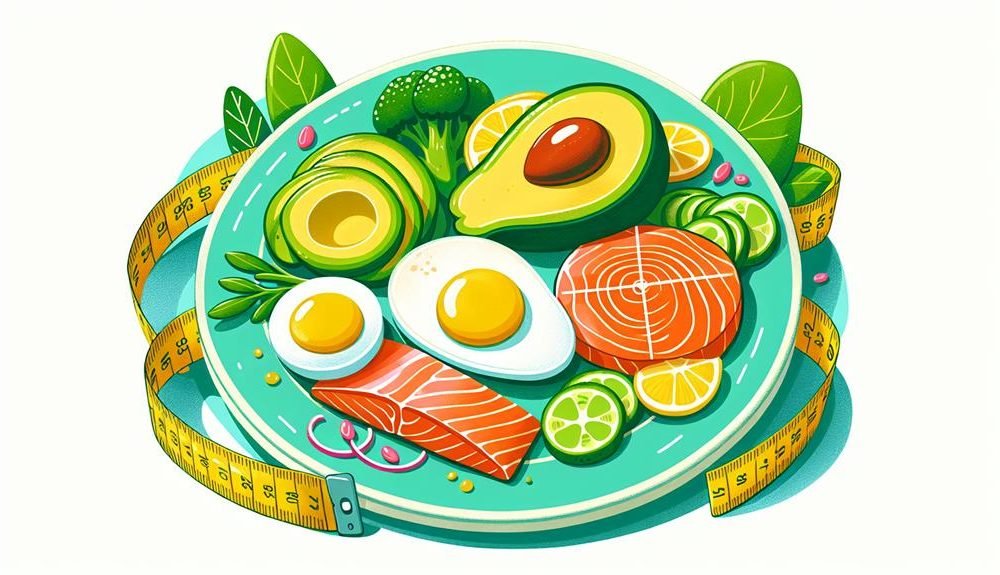
Embarking on a keto diet jumpstarts weight loss, enhances insulin sensitivity, and keeps blood sugar levels stable. The high fat and protein content helps suppress cravings, boosts energy, and sharpens mental focus. Keto may promote heart health, improve cholesterol, and fight inflammation. Embracing the low-carb lifestyle triggers ketosis—where your body burns fat for fuel. Different keto variations suit various goals, from standard to high-protein plans. Immerse yourself in nutrient-dense veggies, healthy fats, and protein sources. Snack wisely and watch out for pitfalls like nutrient deficiencies. Choosing keto may mean opting for a healthier, more energized you.
Key Takeaways
- Swift weight loss due to metabolic shift to burning fats.
- Improved insulin sensitivity and lower blood sugar levels.
- Reduced hunger and cravings with satisfying fats and proteins.
- Increased energy levels and mental clarity reported.
- Linked to heart health benefits and potential anti-inflammatory effects.
Benefits of Starting Keto Diet
Start the journey of starting a keto diet and unveil a plethora of health benefits that can transform your well-being. Initiating a keto diet opens the door to a transformative journey towards enhanced health and vitality. One of the remarkable benefits of this diet is swift weight loss. Studies have shown significant reductions in body weight and fat mass, making it an effective choice for those seeking to shed excess pounds.
Furthermore, the keto diet can improve insulin sensitivity and lower blood sugar levels, making it particularly advantageous for individuals dealing with insulin resistance or diabetes. By embracing this dietary approach, you can experience reduced hunger and cravings, thanks to the satisfying effects of fats and proteins. This can help you maintain a caloric deficit more comfortably, aiding in weight loss and overall health.
Transitioning to a keto diet may also lead to increased energy levels and mental clarity. Ketones, produced during ketosis, serve as a steady source of fuel for the brain, promoting cognitive function. Additionally, the keto diet has been linked to various health benefits such as enhanced heart health, better cholesterol levels, and potential anti-inflammatory effects. Embracing the keto lifestyle can truly transform your well-being and reveal a myriad of health advantages.
Understanding Ketosis
Explore the metabolic process of ketosis, where your body transitions from burning carbohydrates to utilizing fat for energy. Ketosis is a metabolic state achieved by following a low carb, moderate protein, and high-fat diet, such as the ketogenic diet. During ketosis, the liver produces ketones, which serve as an alternative fuel source for the body when glucose is scarce. This shift to utilizing fat for energy can lead to rapid weight loss as the body burns stored fat.
One of the key benefits of ketosis is improved energy levels. When your body adapts to using fat for fuel, you may experience more consistent energy throughout the day without the crashes associated with carb-heavy diets. Additionally, many individuals report enhanced mental clarity while in ketosis. The vital energy supply from ketones can support cognitive function and focus.
Understanding ketosis is crucial for those starting on a ketogenic diet journey. By comprehending this metabolic state and the production of ketones, you can optimize the benefits of weight loss, sustained energy levels, and mental sharpness. Embrace the shift to this high-fat, low carb lifestyle to reveal the potential advantages of ketosis for your overall health and well-being.
Types of Keto Diets
Explore the various types of keto diets to understand how they differ in macronutrient composition and potential benefits for achieving your health and fitness goals. The Standard Ketogenic Diet (SKD) is the most common type, with approximately 70-75% of daily calories coming from fats, 20-25% from protein, and only 5-10% from carbohydrates. This composition helps induce ketosis efficiently.
For those looking to optimize athletic performance, the Cyclical Ketogenic Diet (CKD) involves alternating between high and low carbohydrate intake periods and is often favored by athletes. On the other hand, the Targeted Ketogenic Diet (TKD) allows individuals to consume carbs strategically around workouts to improve exercise performance and recovery.
If you are interested in muscle building and maintenance, the High-Protein Keto Diet (HPKD) might be suitable for you. This variation focuses on higher protein intake, with around 35% of daily calories coming from protein. Understanding the differences between these types of keto diets is important as it enables you to select the one that aligns best with your goals and lifestyle choices. Each type offers unique benefits, and choosing the right one can have a significant impact on your keto journey.
Getting Started on Keto
To initiate your journey into the realm of the ketogenic diet, it's essential to grasp the fundamental steps for getting started on this transformative dietary approach. Starting a keto diet can jumpstart your path to improved health and well-being. One of the first things you'll notice is the appetite-suppressing effects of ketones, which can help reduce hunger and cravings, making it easier to stick to your new way of eating.
As you commence on this keto adventure, be prepared for some exciting changes. The ketogenic diet is known for its rapid weight loss effects in the initial stages, as your body switches from burning carbs to burning stored fat for energy. This transition can also lead to increased mental clarity and focus since your brain will be fueled by ketones.
Furthermore, starting a keto diet can bring about enhanced energy levels and reduced inflammation throughout your body. Say farewell to sluggishness and welcome vitality! By following a keto diet, you are not only working towards weight loss but also enriching your overall well-being. So, get ready to experience the many benefits that come with embracing the ketogenic lifestyle.
Keto-Friendly Foods
When starting a keto diet, including essential food groups such as low carb vegetables, vital fats, protein sources, nuts, seeds, and dairy products is necessary for success. A typical keto diet focuses on high healthy fats, a low carb intake, and moderate protein consumption. Low carb vegetables like spinach, broccoli, and cauliflower are excellent choices as they are nutrient-dense and low in carbohydrates. Important fats play a key role in a keto diet, with options such as avocado, olive oil, and coconut oil being staples. These fats provide energy and help keep you feeling full and satisfied.
Protein sources like eggs, chicken, and fatty fish are important for muscle maintenance and overall health. Nuts and seeds like almonds, chia seeds, and flaxseeds not only provide essential nutrients but also contribute healthy fats to your diet. Dairy products such as cheese, butter, and full-fat yogurt can be consumed in moderation on a keto diet. These foods offer a variety of nutrients while keeping carb intake low.
Keto Snack Ideas
For a successful keto diet journey, incorporating low-carb and high-fat snack options is essential to maintain ketosis and support your dietary goals. When it comes to keto snack ideas, focus on foods that are low in carbs and high in healthy fats. Nuts, seeds, cheese, avocado, and olives are excellent choices that fit the bill. These snacks not only keep you satisfied but also help you stay on track with your ketogenic diet goals.
In addition to these options, consider incorporating protein-rich snacks into your routine. Hard-boiled eggs, deli meat, or even a handful of jerky can be great choices to keep you full between meals. If you're craving something crunchy, opt for low-carb vegetables with dip or coconut chips instead of high-carb alternatives like potato chips.
It's important to be mindful of portion sizes when snacking on keto-friendly foods. While these snacks can be nutritious and satisfying, overeating them may hinder your progress. By choosing wisely and watching your portions, you can enjoy delicious snacks while staying in ketosis and moving closer to your health goals.
Risks Associated With Keto
A key consideration when starting on a keto diet is understanding the potential risks associated with this eating plan. While the keto diet can be effective for weight loss and improving certain health markers, it also comes with risks that need to be taken into account. One risk is the possibility of nutrient deficiencies, particularly in essential vitamins and minerals like magnesium, potassium, and vitamin C, which are commonly found in fruits and whole grains restricted on the keto diet.
Additionally, digestive issues such as constipation may arise due to reduced fiber intake from low-carb foods. Individuals with pre-existing gallbladder or pancreatic problems should approach the keto diet with caution, as the high fat content in this eating plan could worsen these conditions.
For pregnant or breastfeeding women, the restrictions of the keto diet may not provide sufficient nutrients crucial for fetal development or milk production, making it advisable to opt for a more balanced diet during this time. Furthermore, individuals with a history of disordered eating should be wary of the potential triggers the strict rules of the keto diet may pose, potentially exacerbating unhealthy behaviors or attitudes towards food. It is important to weigh these risks against the benefits before starting on a keto diet journey.
Reasons for Choosing Keto
One significant factor driving individuals to choose the ketogenic diet is its potential to aid in weight loss through promoting fat burning and reducing appetite, ultimately leading to quicker results. By shifting your body's primary fuel source from carbohydrates to fats, the ketogenic diet triggers a state of ketosis, where your body burns fat for energy. This metabolic state not only assists in weight loss but also offers benefits for those with metabolic syndrome and diabetes by improving blood sugar control and insulin sensitivity.
Moreover, adopting a keto lifestyle may result in increased energy levels, mental clarity, and focus. Ketones, produced during ketosis, serve as an alternative fuel source for the brain, offering a consistent supply of energy without the crashes associated with carb-heavy diets. Additionally, the anti-inflammatory properties of the ketogenic diet can help reduce inflammation in the body, potentially lowering the risk of chronic diseases and improving overall health.
In addition, for those concerned about heart health, the keto diet has shown promise in lowering cholesterol levels and improving markers of cardiovascular health. Additionally, the appetite-suppressing effects of ketosis can aid in better appetite control, making it easier to adhere to a calorie deficit for weight loss. When considering these factors, it's clear why many individuals are drawn to the ketogenic diet for its potential health benefits and weight management advantages.
First Week on Keto
Entering into your first week on a keto diet involves significant changes as your body shifts from using carbs to burning fats for energy. This change can lead to rapid weight loss due to the shift in your body's fuel source. However, during this initial phase, many individuals experience what is known as the keto flu. Symptoms like fatigue, headaches, and irritability may arise as your body adapts to ketosis. To alleviate these symptoms, it is important to increase your intake of electrolytes such as sodium, potassium, and magnesium. These minerals help combat potential side effects like muscle cramps and fatigue.
Tracking your carb intake diligently is essential during the first week to make sure you stay within the recommended range of 20-50 grams per day for best ketosis. This strict control over carbohydrates encourages your body to enter a state where it primarily burns fats for energy. Additionally, staying well-hydrated is crucial in the first week on keto. Adequate hydration supports your body's adjustment to using fats for fuel and helps prevent dehydration, especially as your body undergoes an energy shift. Pay attention to your body's signals, stay hydrated, and maintain proper electrolyte levels to navigate through the challenges of your first week on the keto diet successfully.
Keys to Keto Success
Achieving success on the keto diet hinges on mastering the key principles of macronutrient ratios and consistent adherence to them. To stay in ketosis, aim for a breakdown of around 70-75% fat, 20-25% protein, and 5% carbs in your daily intake. Consistency is essential in ensuring your body shifts to burning fat for fuel efficiently.
Tracking your food intake is necessary on the ketogenic diet. Utilize apps or journals to monitor your carb, protein, and fat levels accurately. This tracking will help you stay on target and make any necessary adjustments to maintain the right ratios.
Incorporating healthy fats like avocados, nuts, and olive oil is important to meet the high fat requirement while keeping carb intake low. These fats not only provide energy but also support overall health.
Remember to stay hydrated and replenish electrolytes such as sodium, potassium, and magnesium. This practice is key in preventing common side effects like the keto flu and ensuring your body functions optimally while in ketosis.
Frequently Asked Questions
What Happens to Your Body When You First Start a Keto Diet?
When you first start a keto diet, your body undergoes significant changes. You might experience the ‘keto flu,' a phase marked by symptoms like fatigue, headaches, and irritability due to carb withdrawal. As your body enters ketosis, it starts producing ketones for energy. Over time, you'll notice increased energy levels, mental clarity, and reduced cravings. Additionally, your body will shed water weight, balance electrolytes, regulate hormones, and suppress appetite as it adapts to using fats for fuel.
What Is the Simplest Way to Understand Keto?
To grasp keto easily, focus on the core: high fats, low carbs. Track macros for balance. Your body adapts to burning fat for energy in ketosis, a process of fat breakdown. Keep carbs low, fats high, and moderate protein. Expect changes in energy, sugar cravings, and mental clarity. This shift can liberate you from carb dependency, providing sustained energy and focus.
What Is the First Thing You Do on Keto Diet?
When starting a keto diet, the first thing you should do is focus on meal planning. This involves preparing low-carb, high-fat meals that align with your macronutrient targets. Next, head to the store with a grocery list that excludes high-carb foods. Counting your carbs is essential for staying in ketosis. Make sure to have essential kitchen tools for cooking keto-friendly meals. Research recipes, stay hydrated, balance electrolytes, and prioritize protein and healthy fat sources while building a support system for success.
Why Start a Keto Diet?
If you're wondering why start a keto diet, consider the incredible benefits like rapid weight loss, increased energy, and mental clarity. By embracing this lifestyle change, you can also experience reduced inflammation, improved blood sugar levels, and better skin. Additionally, hormone balance, appetite control, enhanced athletic performance, and long-term health benefits are all compelling reasons to kickstart your keto journey today.
Conclusion
As you commence on your keto journey, remember that success is like a recipe – a dash of determination, a sprinkle of knowledge, and a pinch of patience. Embrace the benefits of ketosis, explore the variety of keto-friendly foods, and listen to your body as you navigate the risks associated with this diet. Stay committed, stay informed, and watch as your body transforms into a healthier, happier version of yourself. Happy keto-ing!